
Treatments & Procedures
Every treatment at Echo PMR begins with a precise diagnosis. Our board-certified, fellowship-trained physicians use image-guided techniques — fluoroscopy and real-time ultrasound — to deliver interventional procedures with accuracy and safety.
We offer treatments across the full spectrum of interventional pain management, from targeted spinal injections to advanced neuromodulation, regenerative procedures, and coordinated rehabilitation. Select a treatment below to learn what's involved, who it helps, and what to expect.
Spinal Injections
Image-guided injections that deliver medication directly to the source of spine pain — reducing inflammation, relieving nerve compression, and restoring function.
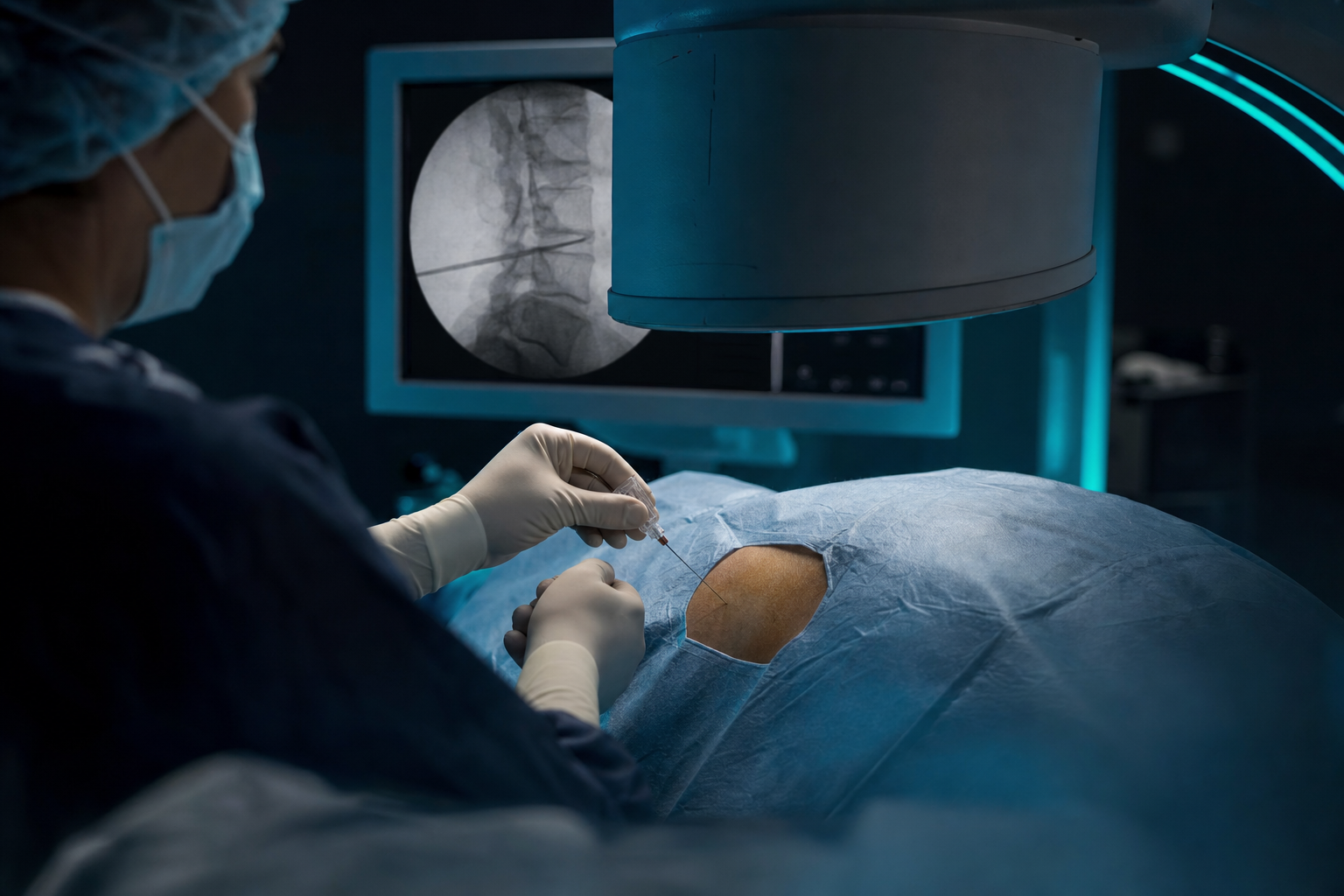
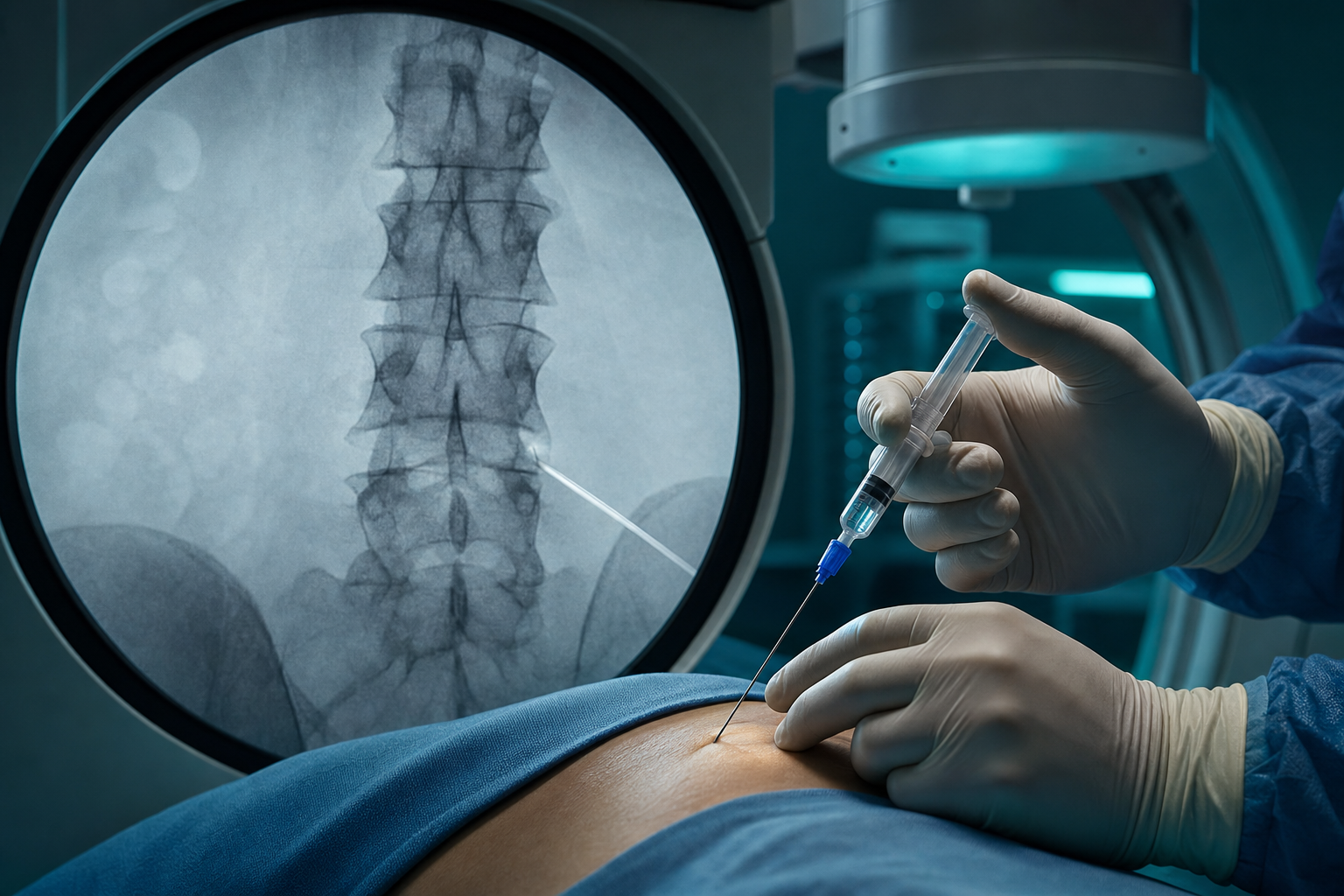
Epidural Steroid Injection
Corticosteroid delivered into the epidural space to reduce inflammation around compressed nerve roots. One of the most studied and effective treatments for radiating neck and back pain.
Facet Joint Injection
Anti-inflammatory medication injected directly into arthritic or inflamed facet joints along the spine. Provides relief from axial neck and back pain that worsens with bending or twisting.
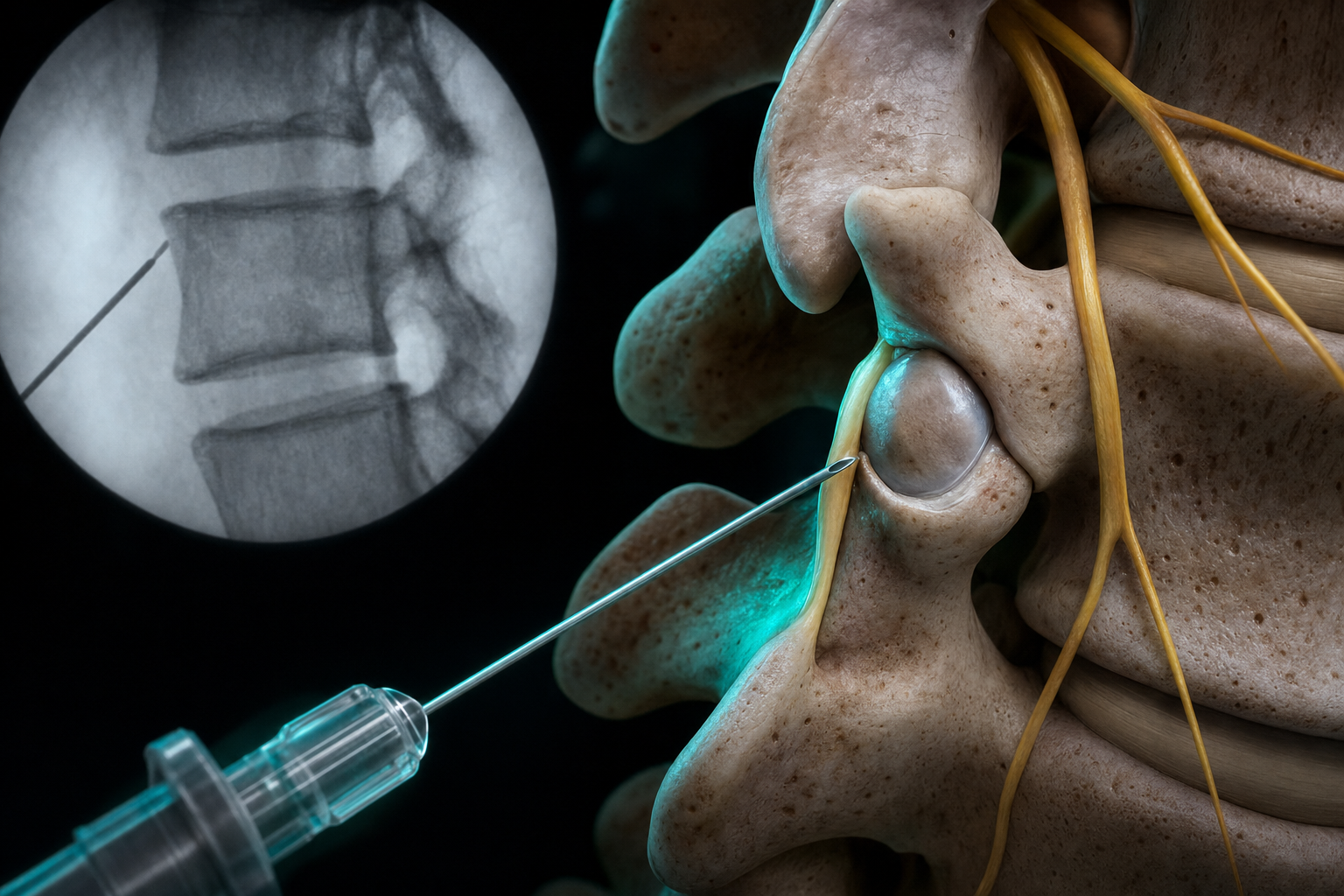
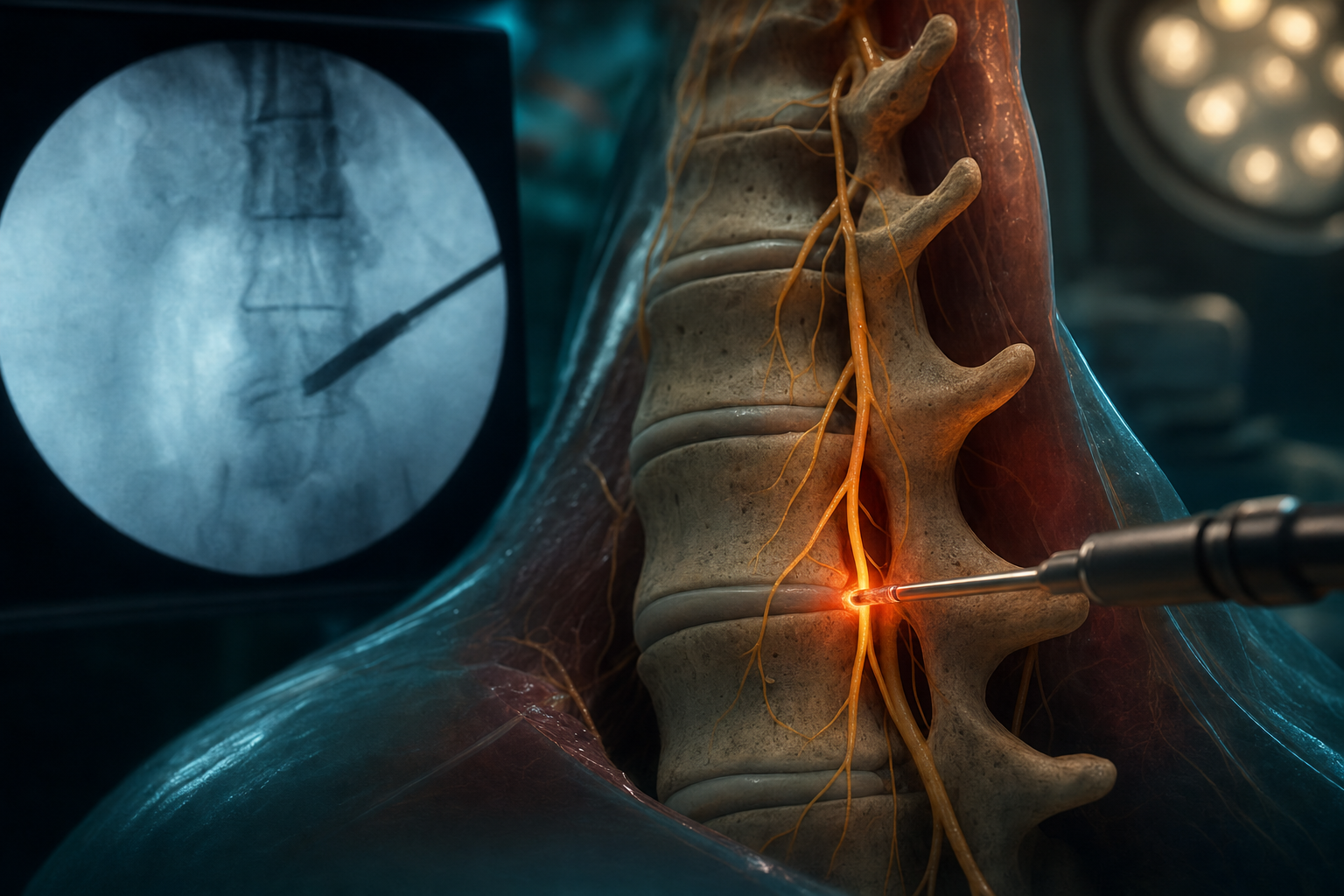
Percutaneous Disc Decompression
A minimally invasive procedure that reduces intradiscal pressure by removing a small amount of disc material through a needle — relieving nerve compression without open surgery.
Radiofrequency Ablation (RFA)
Heat energy is used to deactivate pain-carrying nerves from spinal joints. Provides significantly longer relief than steroid injections — typically 6 to 18 months or more.
Sacroiliac (SI) Joint Injection
Targeted injection into the SI joint to confirm it as a pain source and provide relief. Can be followed by RFA or SI joint fusion for longer-lasting results.
Discogram (Discography)
A specialized diagnostic procedure to confirm whether a specific disc is generating a patient's back pain — typically ordered before surgery or advanced disc procedures.
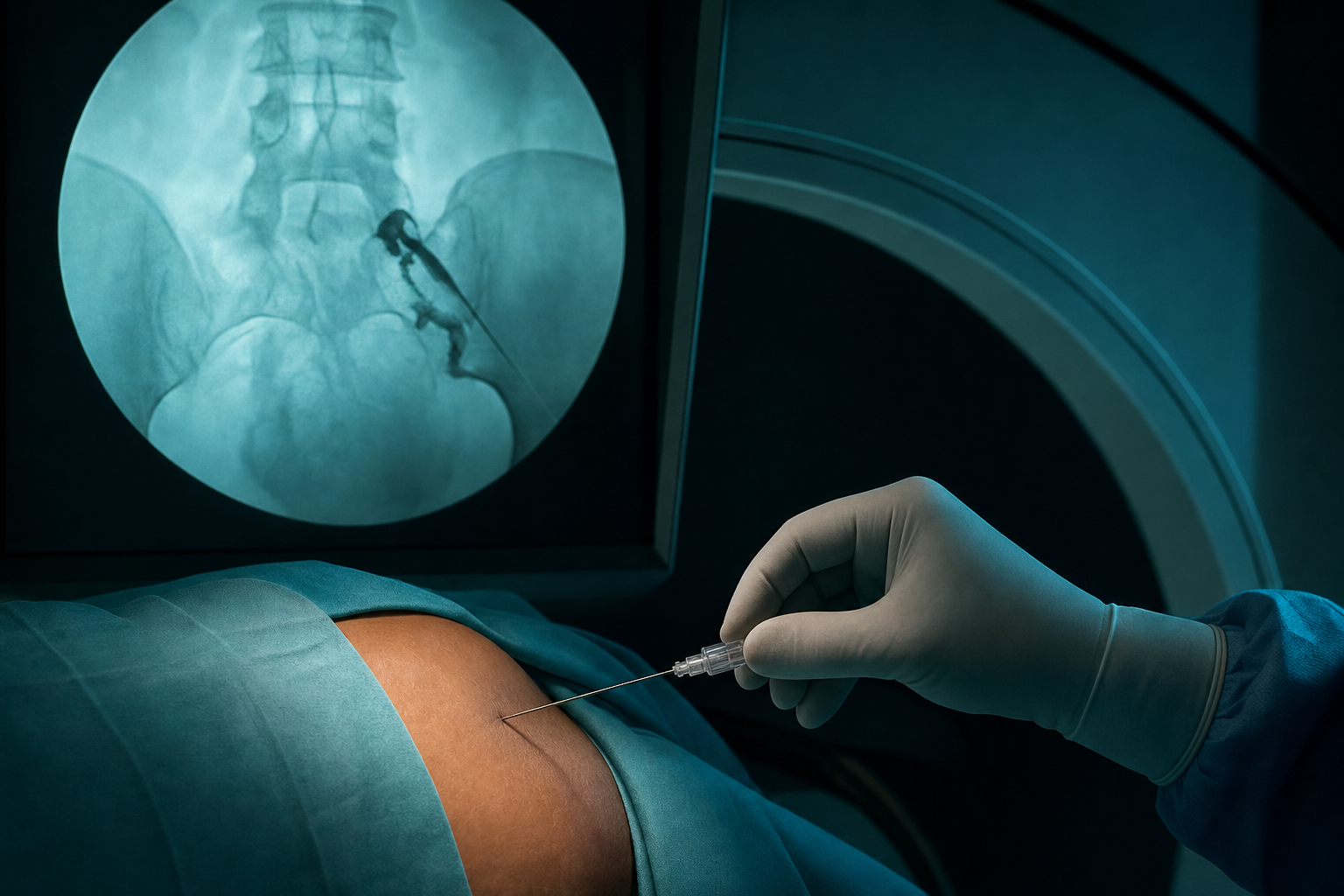
Medial Branch Block
A diagnostic and therapeutic injection targeting the small nerves that carry pain from the facet joints. Required before radiofrequency ablation to confirm the pain source.
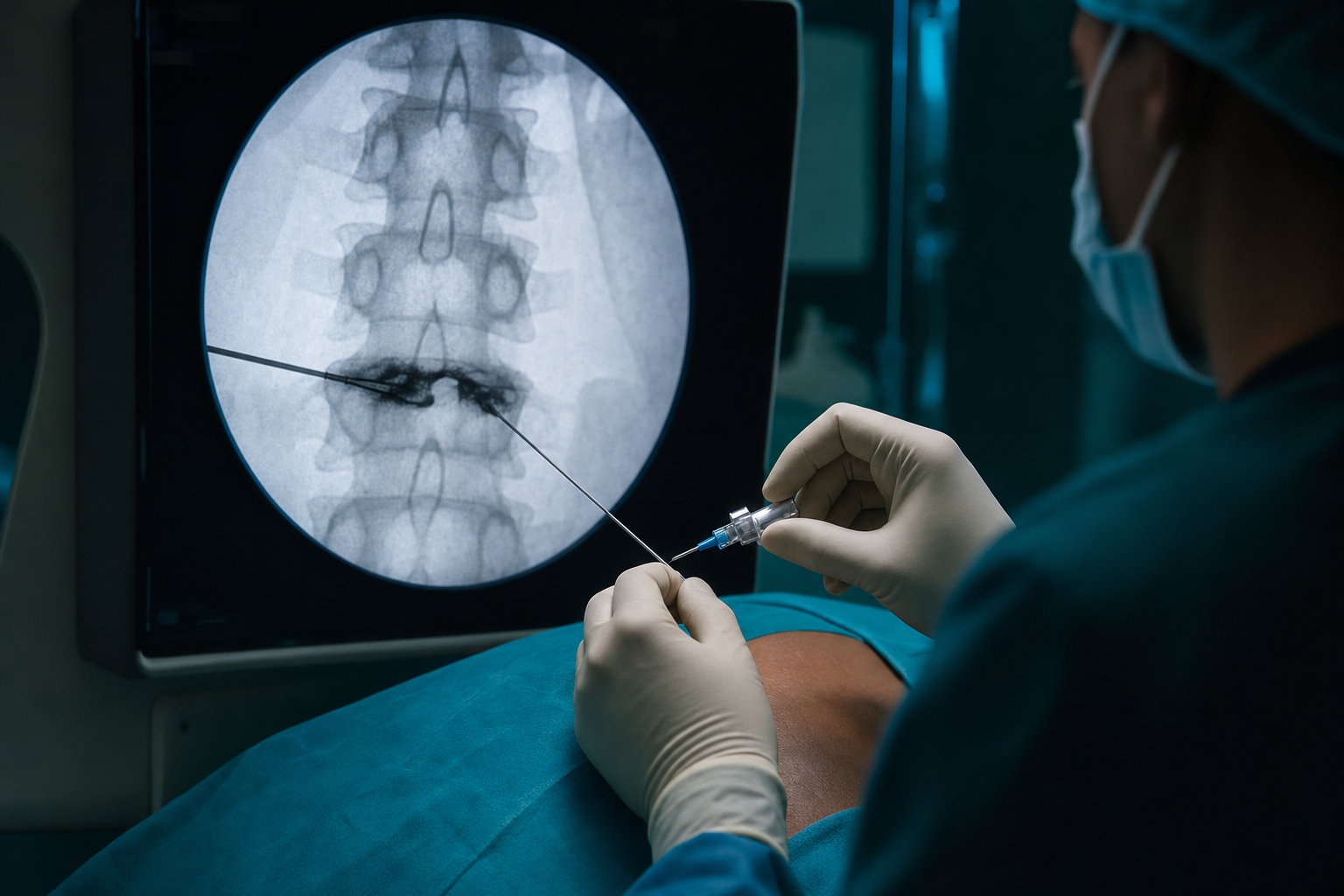
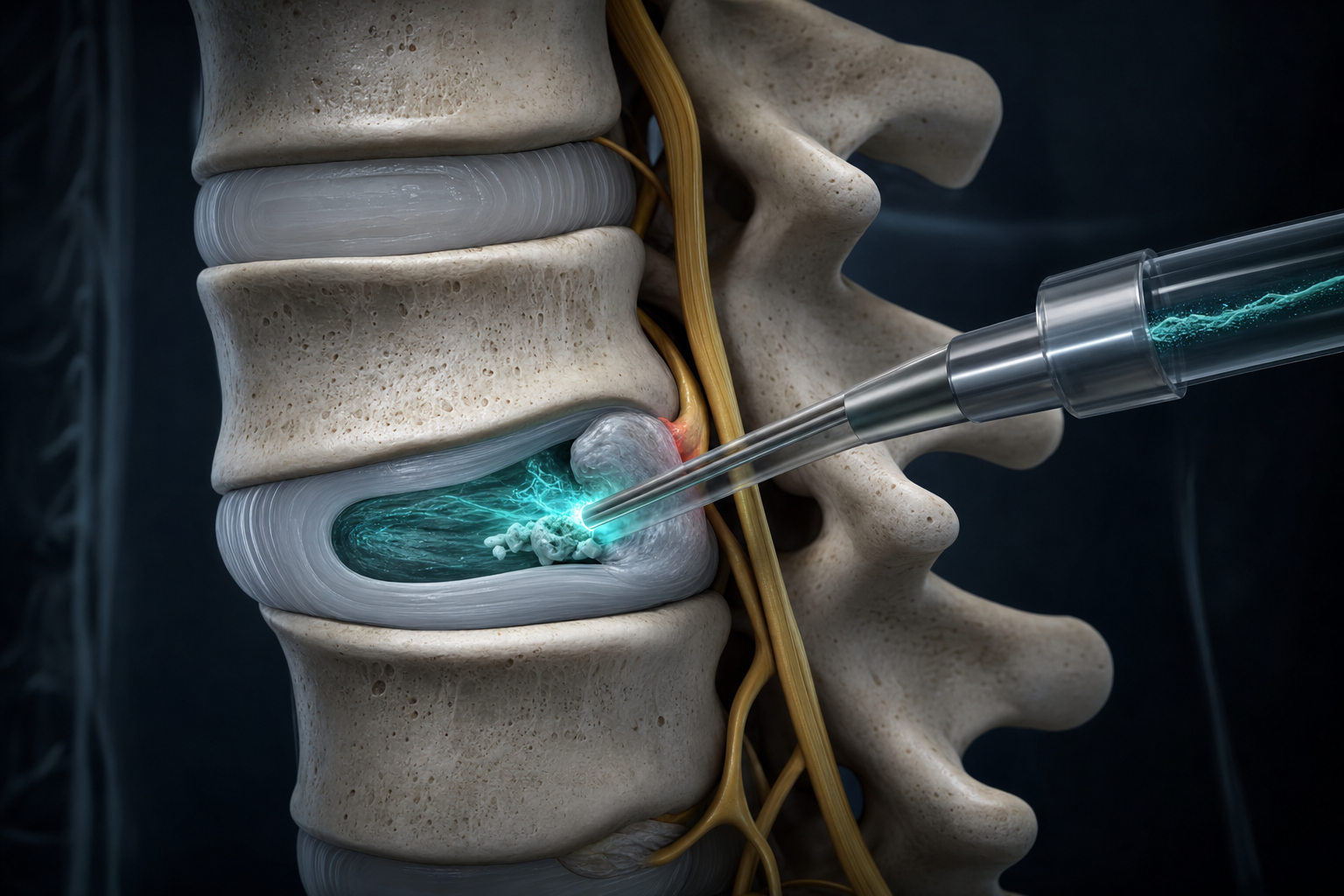
Nerve Block Procedures
Nerve blocks deliver anesthetic — and sometimes steroid — directly to a targeted nerve or nerve cluster, providing both diagnostic confirmation and therapeutic relief.
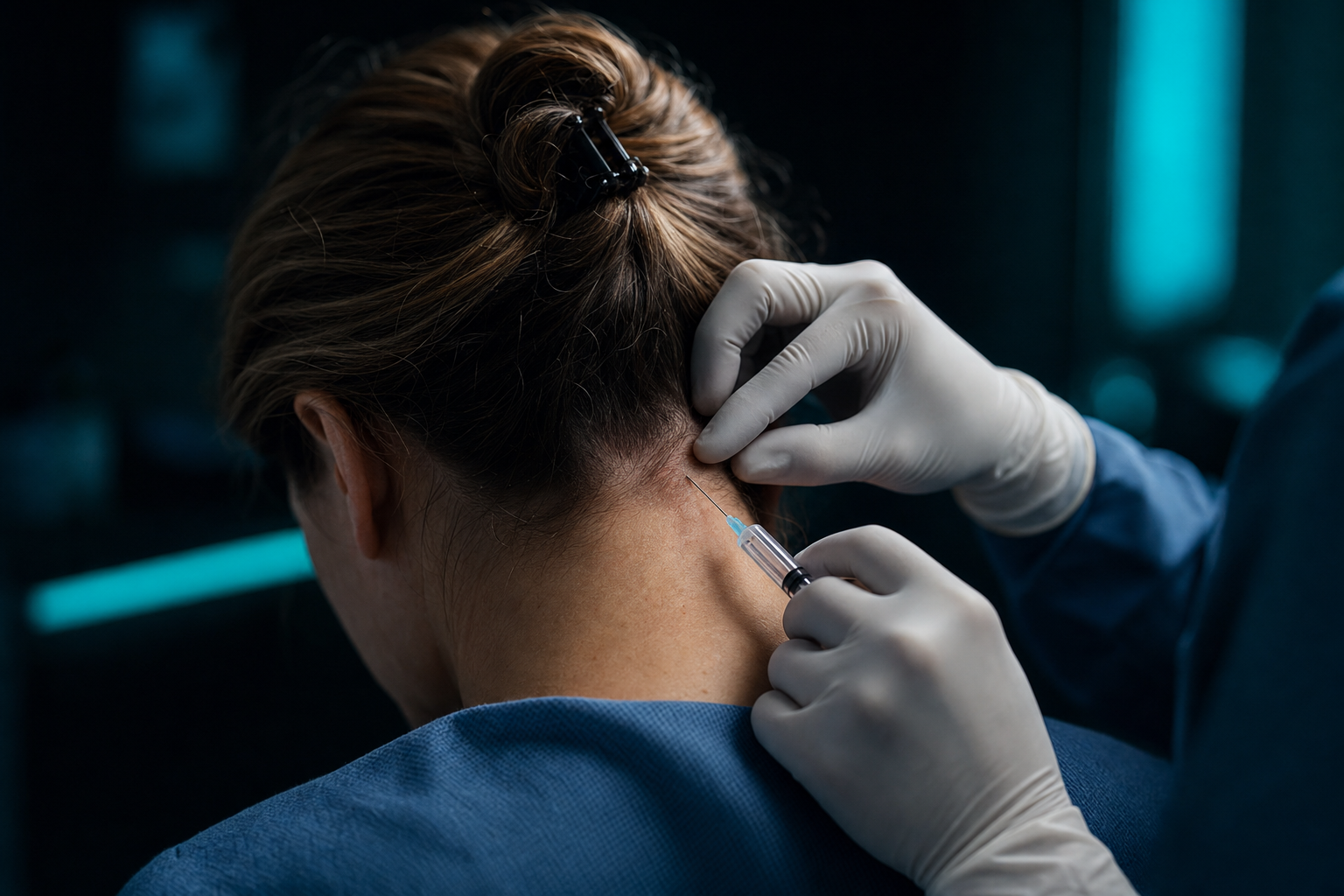
Occipital Nerve Block
Injection at the base of the skull targeting the occipital nerves — effective for occipital neuralgia, cervicogenic headache, and post-traumatic headache. Quick in-office procedure with rapid relief.
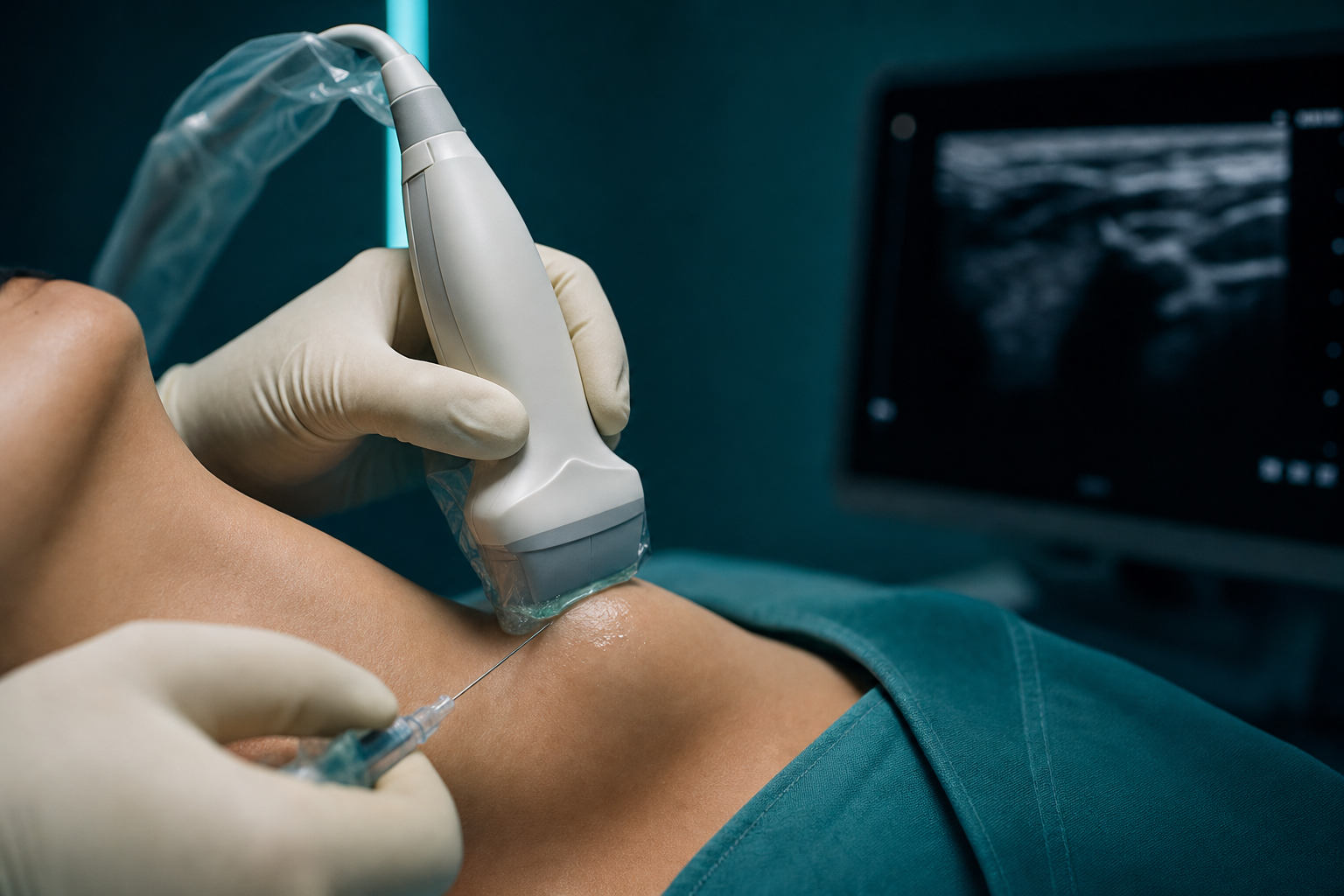
Stellate Ganglion BlockCrashes can injure the entire spine, peripheral joints, and nervous system. We provide comprehensive evaluation, imaging review, EMG testing, and thorough injury documentation.
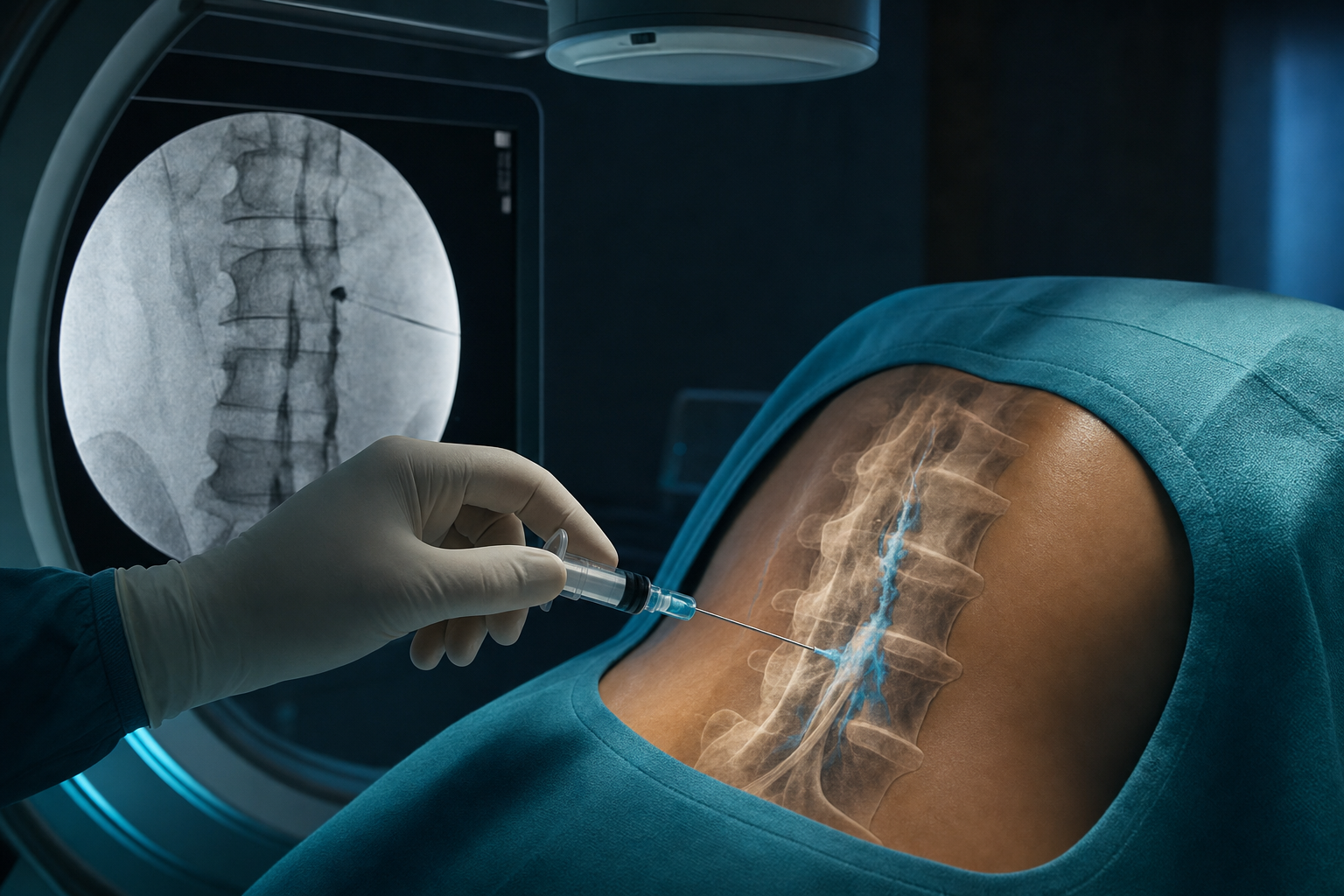
Lumbar Sympathetic Block
Interrupts sympathetic pain signals traveling to the lower extremities. Used for CRPS of the lower limb, peripheral vascular pain, and refractory neuropathic leg pain.
Advanced Minimally Invasive Procedures
For patients with persistent pain that hasn't responded to injections or conservative care — outpatient procedures with same-day discharge and meaningful, longer-lasting relief.
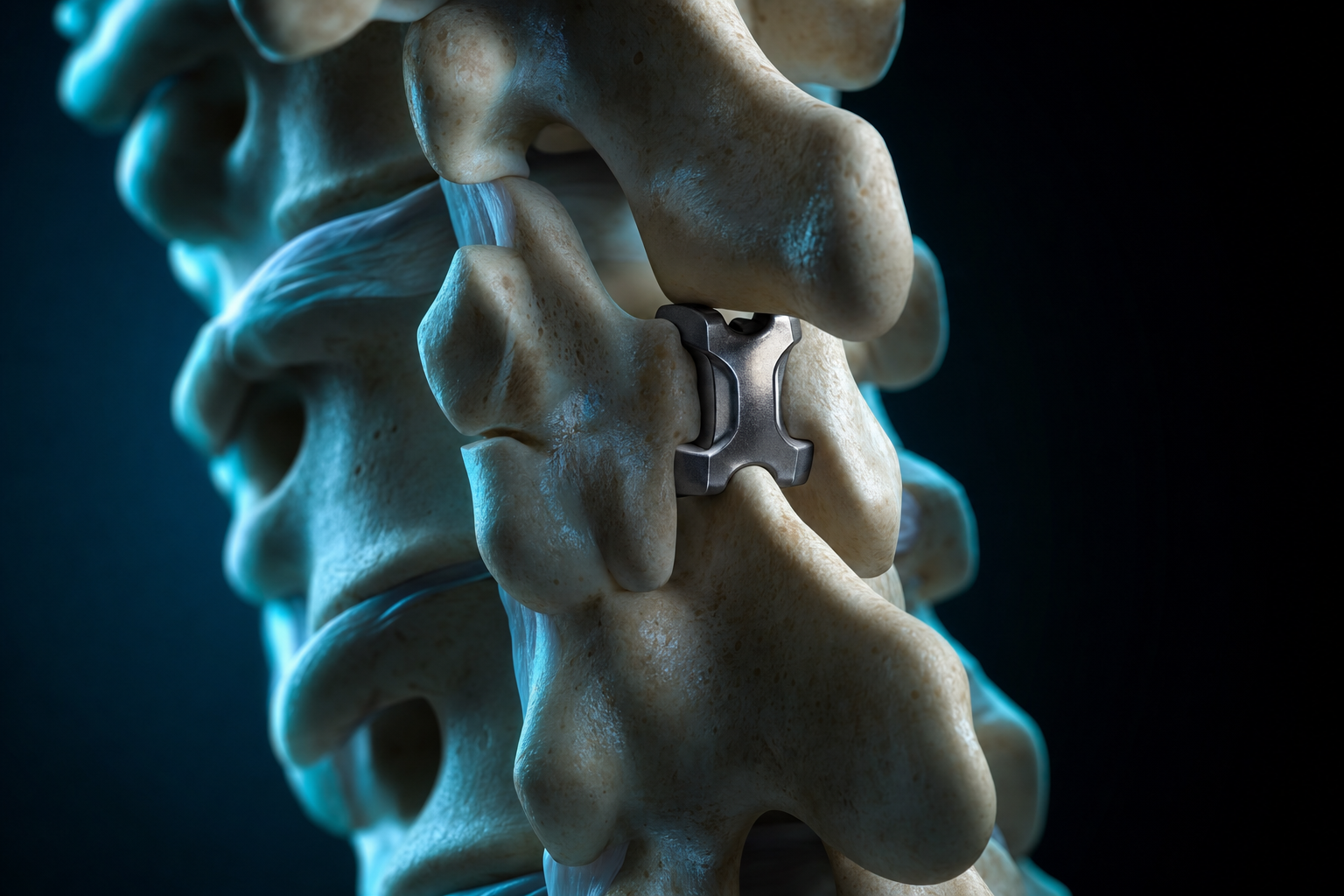
Interspinous Spacer
A small implant placed between lumbar vertebrae to relieve nerve compression during standing and walking. A minimally invasive option for patients with spinal stenosis.
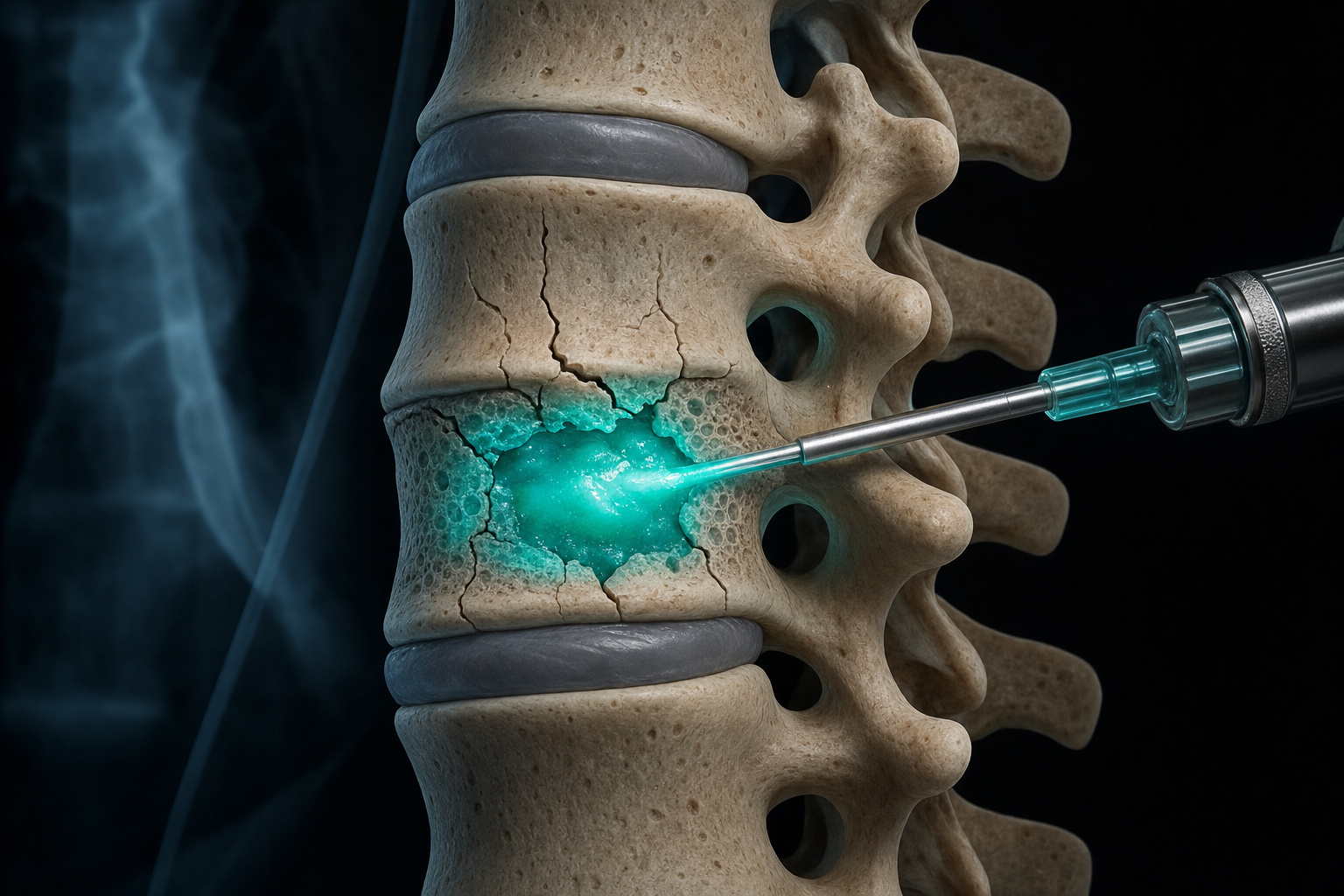
Vertebroplasty
Medical-grade cement is injected into a collapsed vertebra to stabilize it and relieve severe fracture pain — often providing dramatic relief within 24 to 72 hours.
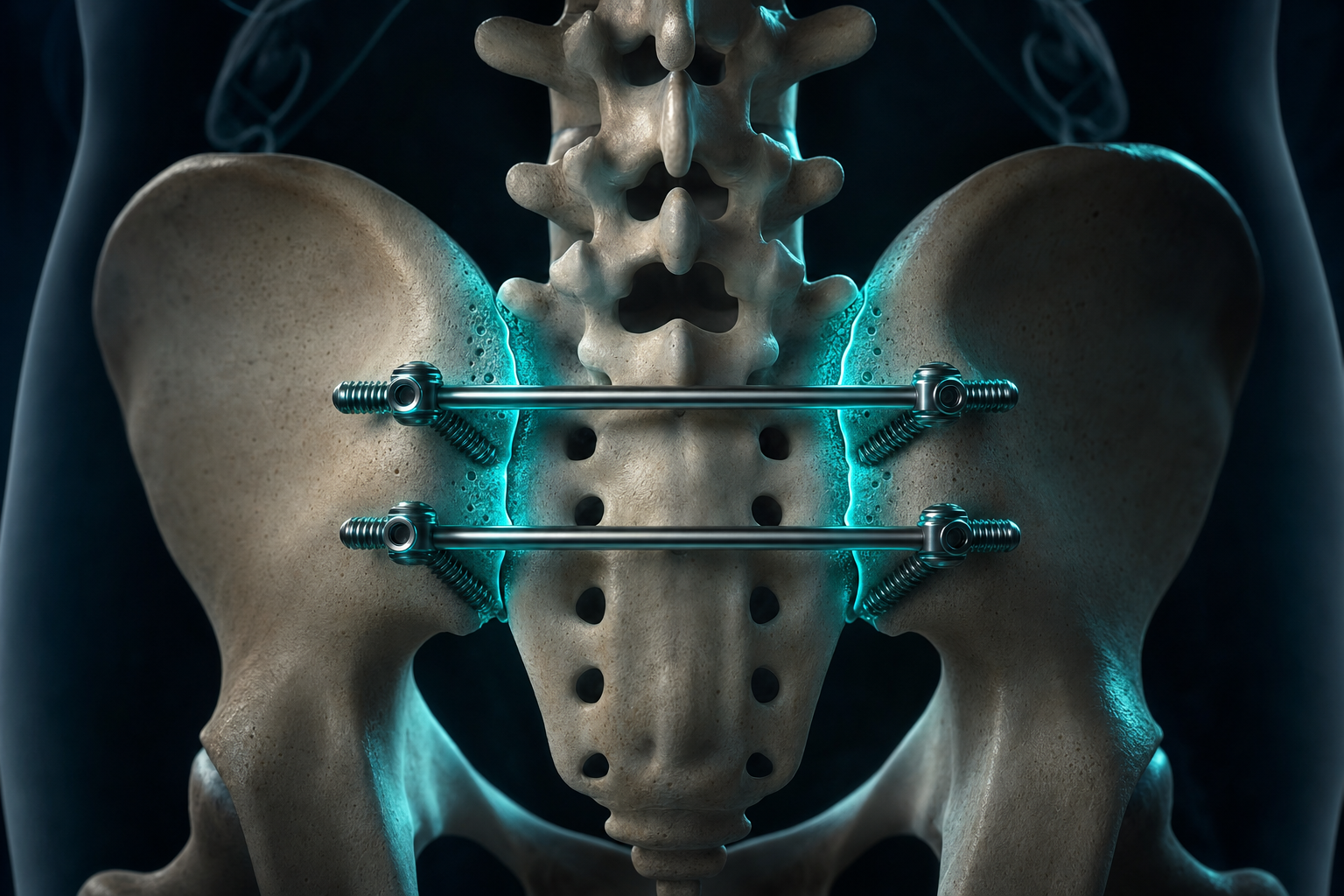
SI Joint Fusion
Minimally invasive implant-based stabilization of the sacroiliac joint for patients with confirmed, chronic SI joint dysfunction who have not achieved lasting relief from injections.
Neuromodulation
Implantable therapies that modify or interrupt pain signals before they reach the brain. Reserved for complex, treatment-resistant conditions where other approaches have been insufficient.
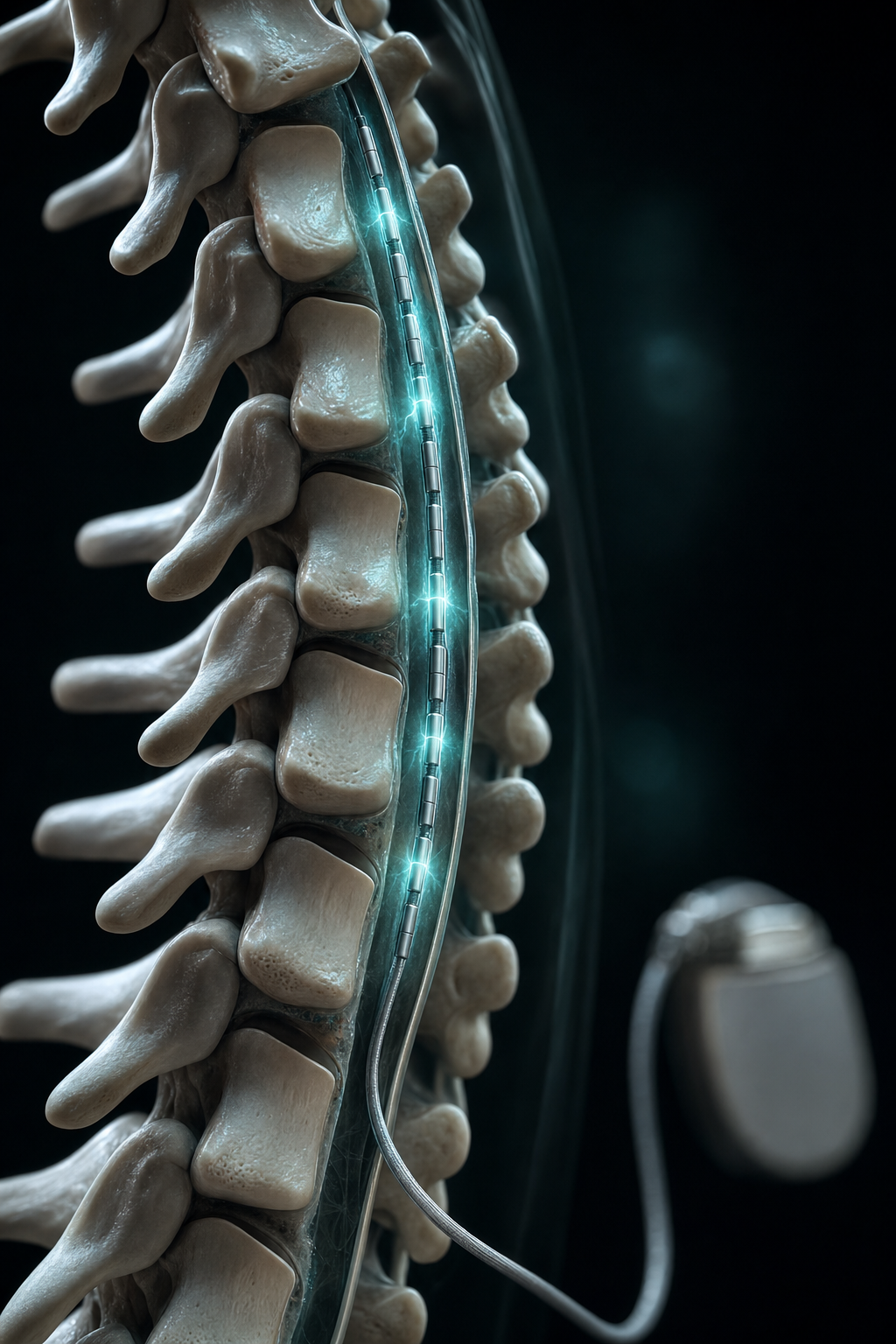
Spinal Cord Stimulation (SCS)
An implantable device delivers targeted electrical pulses to the spinal cord, interrupting pain signals. A reversible trial is performed first. Most patients achieve 50%+ pain reduction.
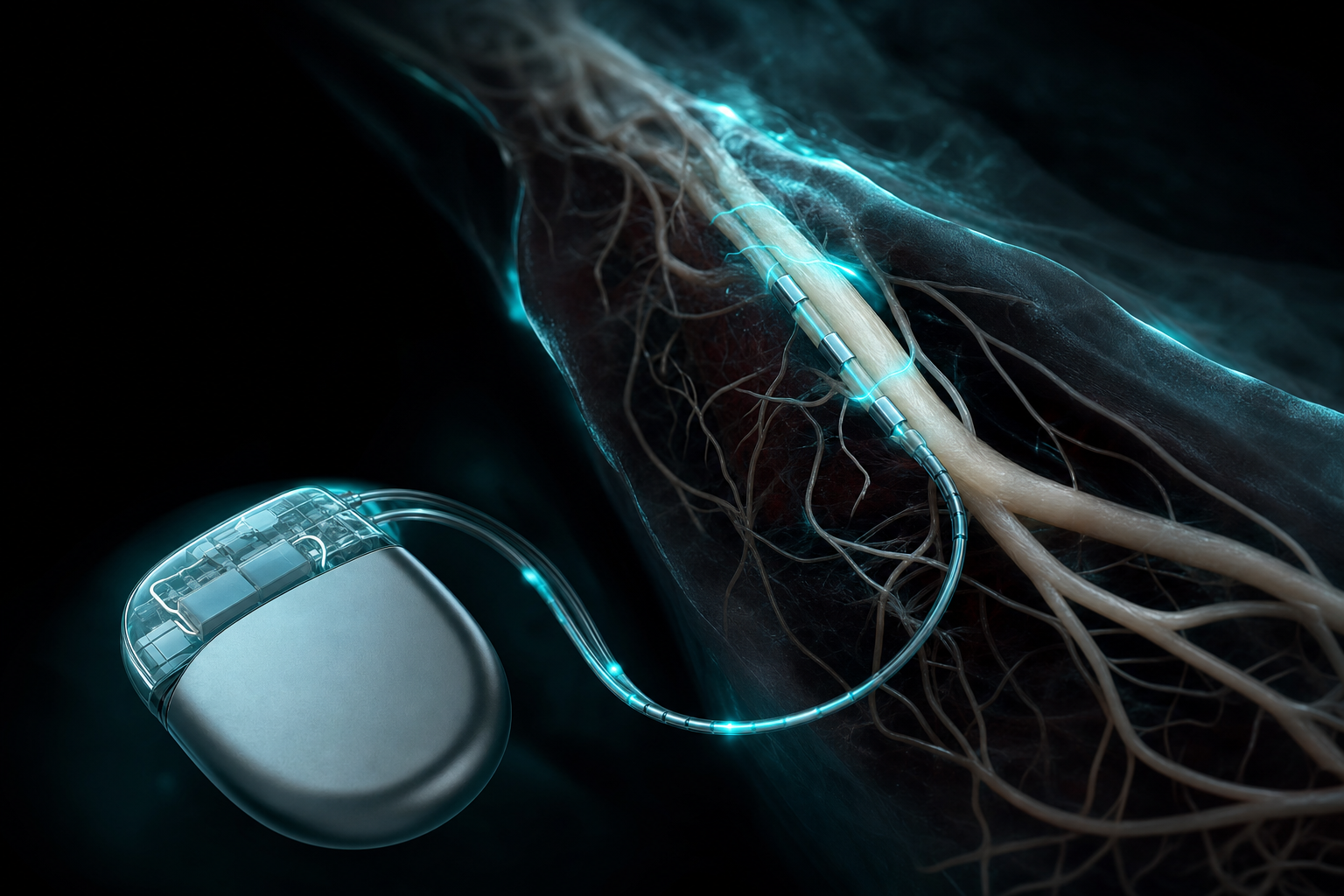
Peripheral Nerve Stimulation (PNS)
Stimulation leads placed near specific peripheral nerves manage localized, refractory pain. Effective for occipital neuralgia, post-traumatic nerve pain, and limb pain.
Joint & Soft-Tissue Procedures
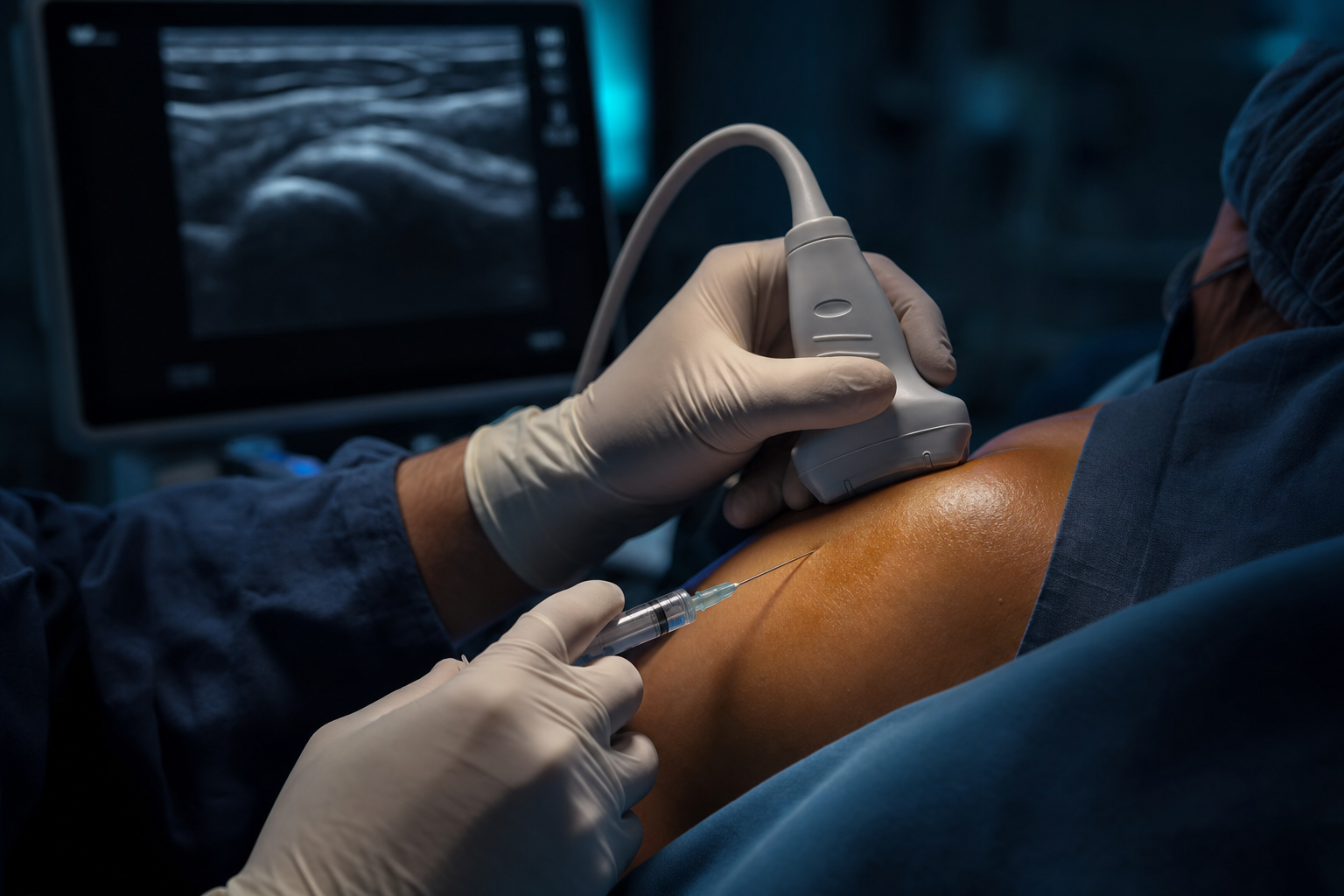
Ultrasound-guided procedures targeting peripheral joints, bursae, tendons, and muscles — with real-time imaging for accuracy and safety.
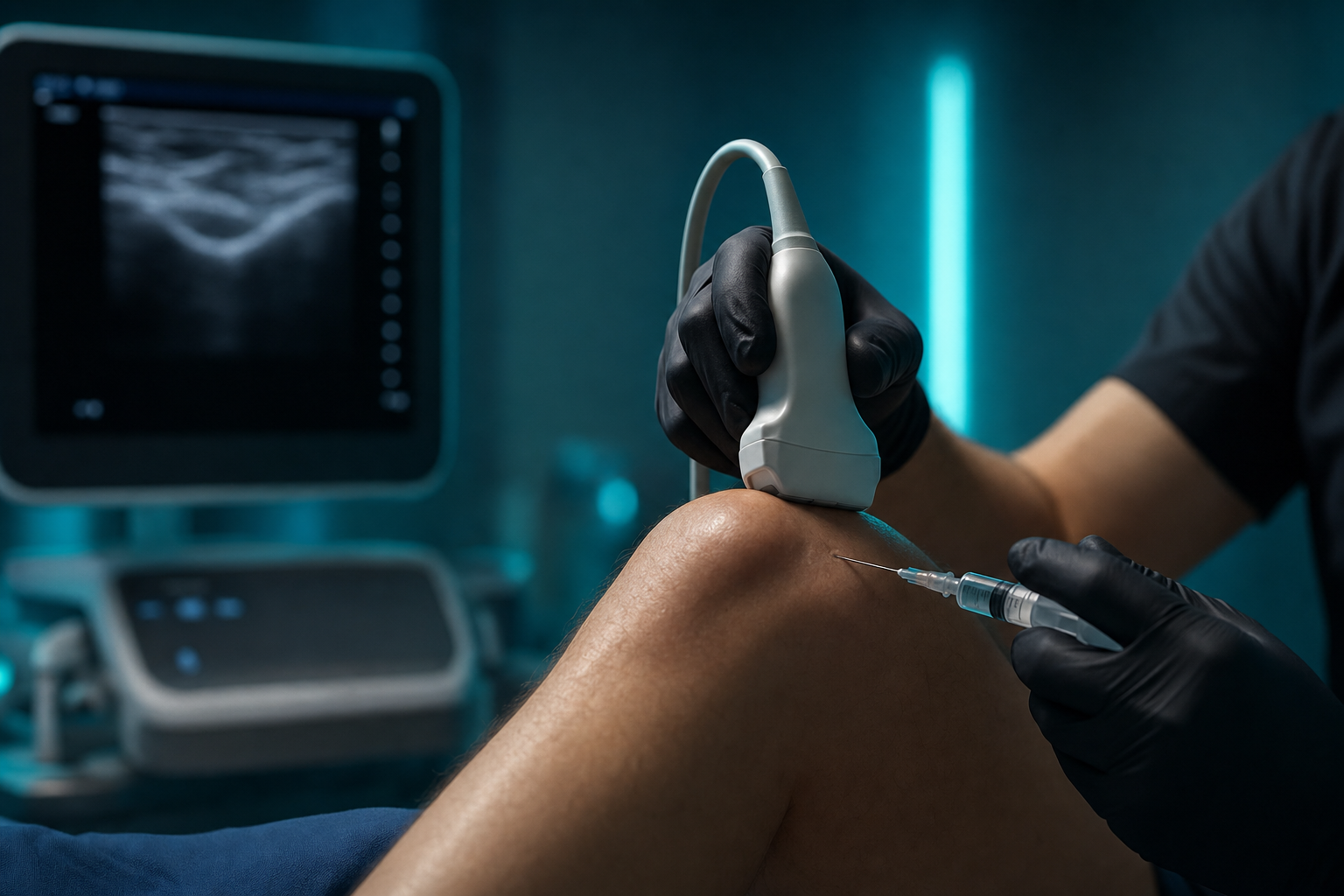
Joint Injections
An implantable device delivers targeted electrical pulses to the spinal cord, interrupting pain signals. A reversible trial is performed first. Most patients achieve 50%+ pain reduction.
Bursa Injection
Targeted injection into inflamed bursae — including the subacromial (shoulder), trochanteric (hip), and pes anserine (knee) — to reduce swelling and restore comfort.
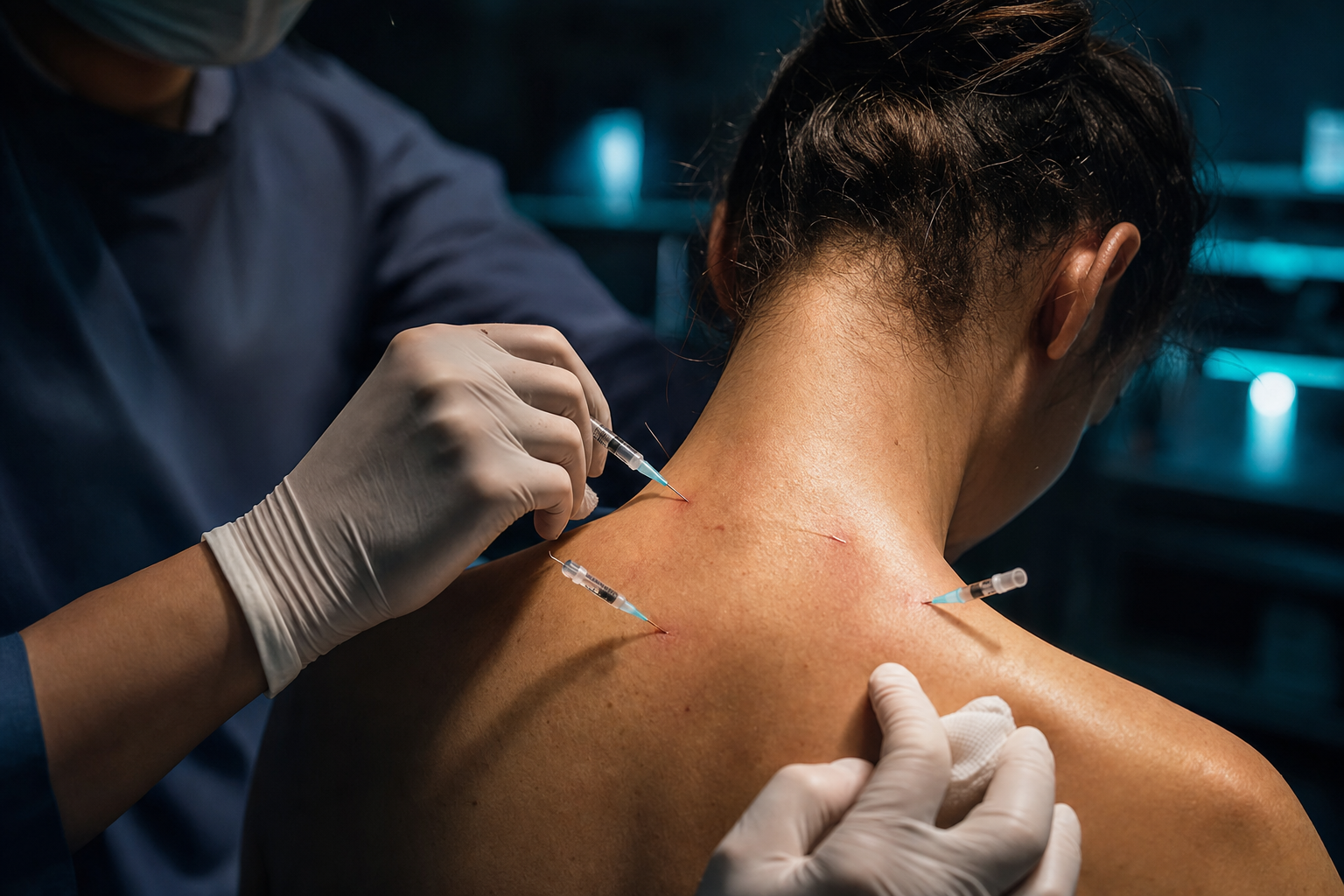
Trigger Point Injection
Needle disruption of tight, hypersensitive muscle bands that cause local and referred pain. Provides immediate relief for myofascial pain and post-accident muscle tension.
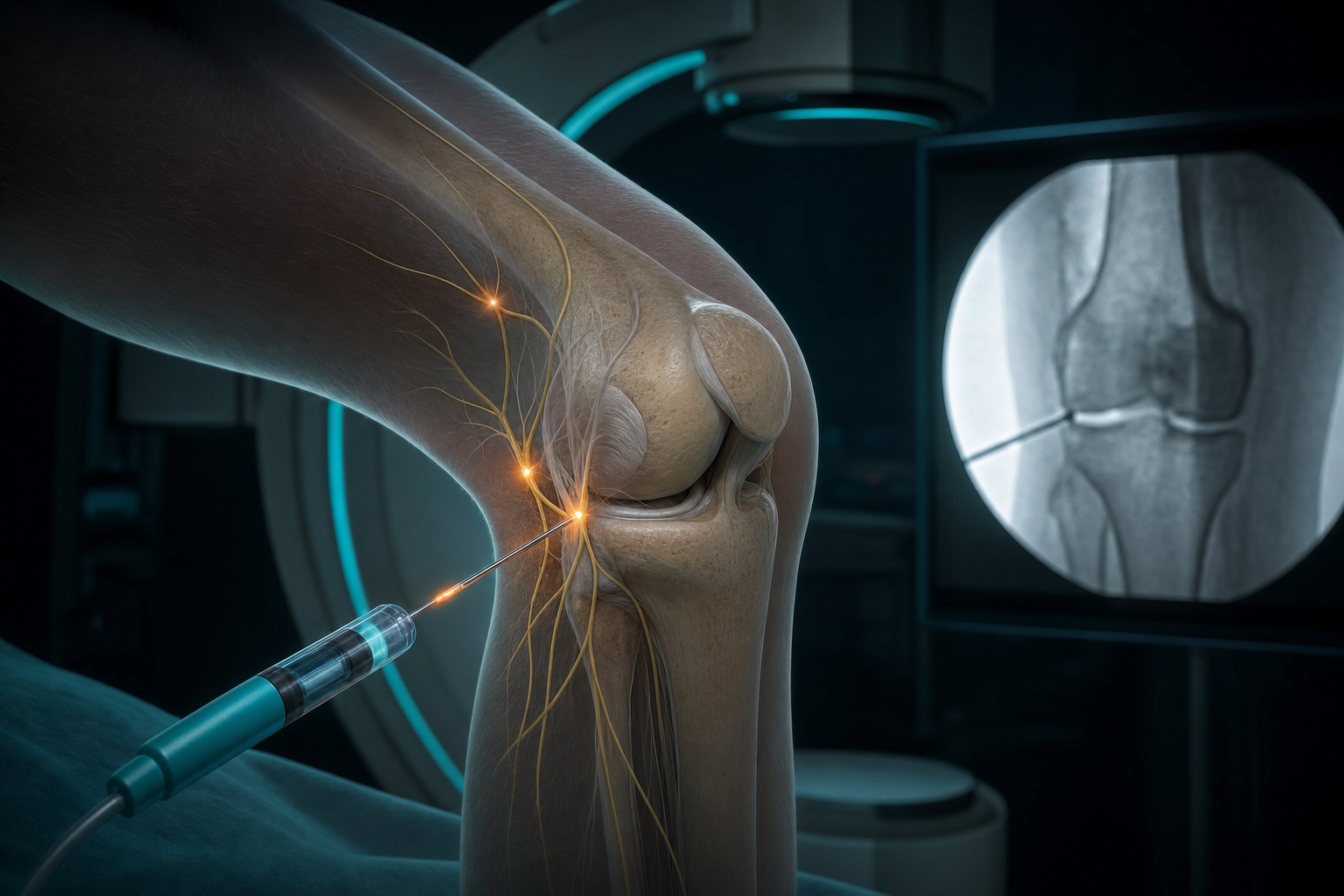
Genicular Nerve Block & RFA
Nerve blocks confirm the knee's genicular nerves as a pain source, followed by RFA to deactivate them — providing 6 to 12+ months of relief for chronic knee arthritis.
Headache Treatments
Interventional options for patients with chronic or recurrent headaches that have not responded adequately to oral medications alone.

Botox® for Chronic Migraine
FDA-approved preventive treatment — 31 injections every 12 weeks — that reduces migraine frequency and severity. Proven effective for patients with 15+ headache days per month.
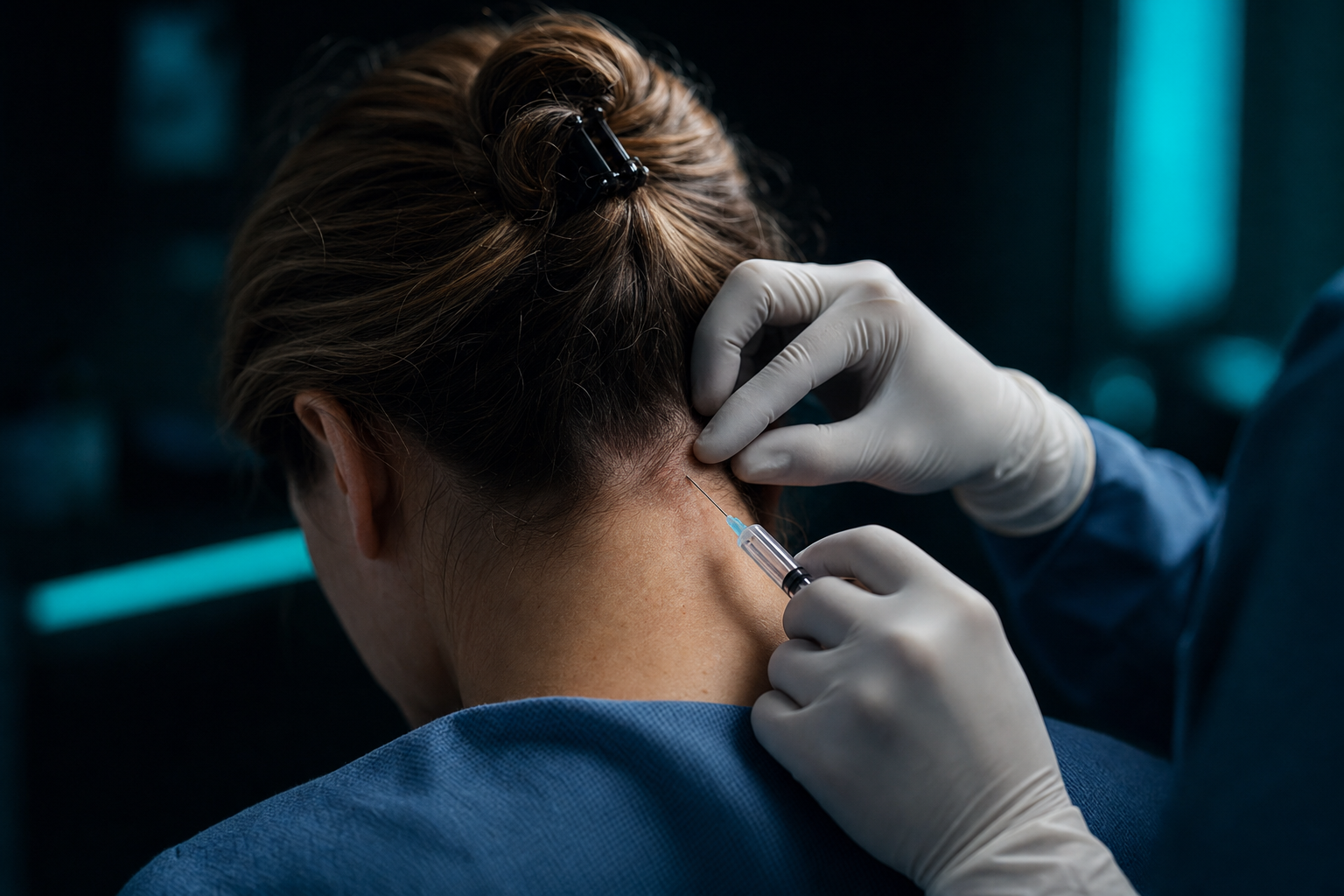
Occipital Nerve Block
A quick in-office injection at the base of the skull — effective for occipital neuralgia, cervicogenic headache, cluster headache, and post-traumatic migraine.
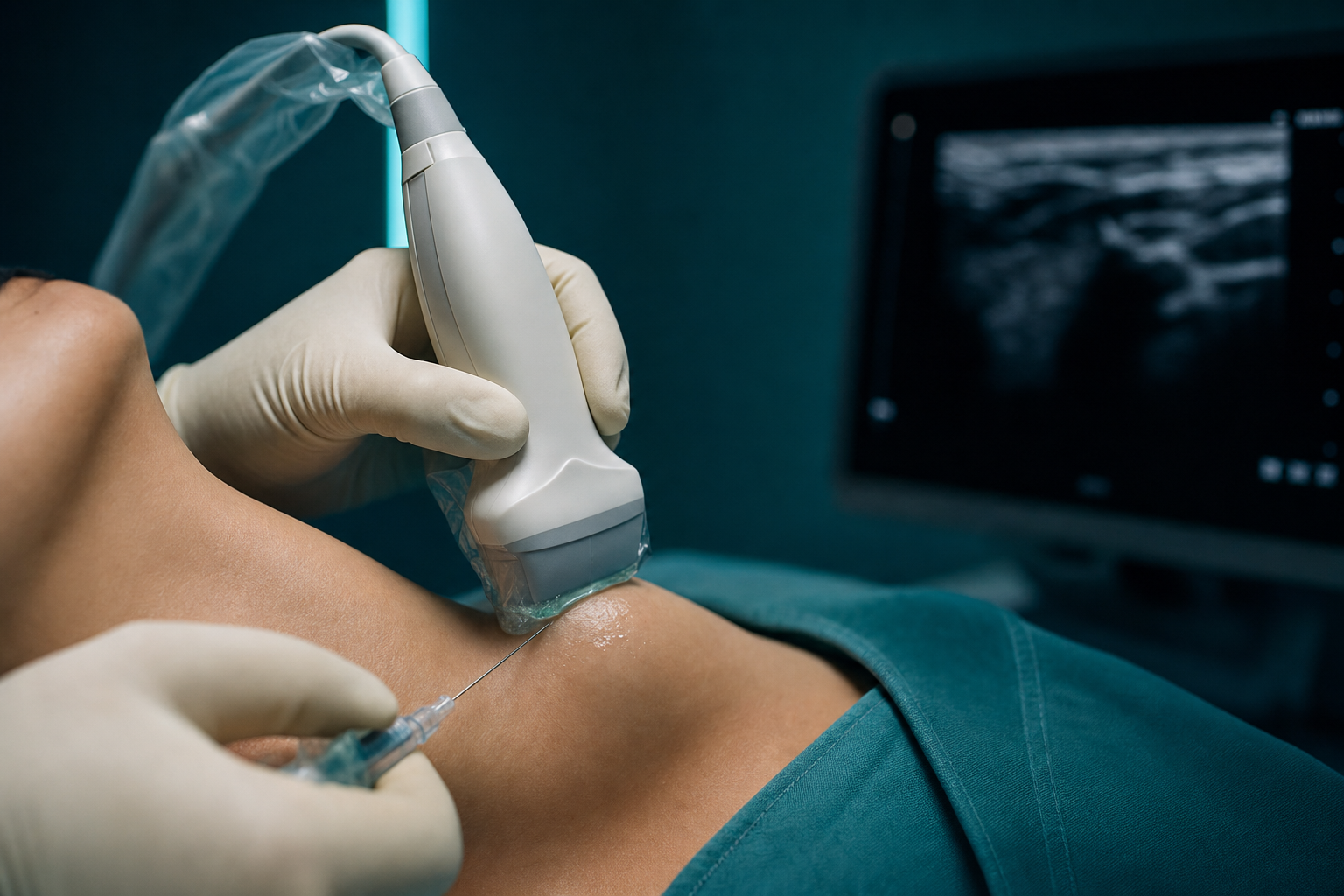
Stellate Ganglion Block
For refractory headache and facial pain disorders not responding to other treatments.
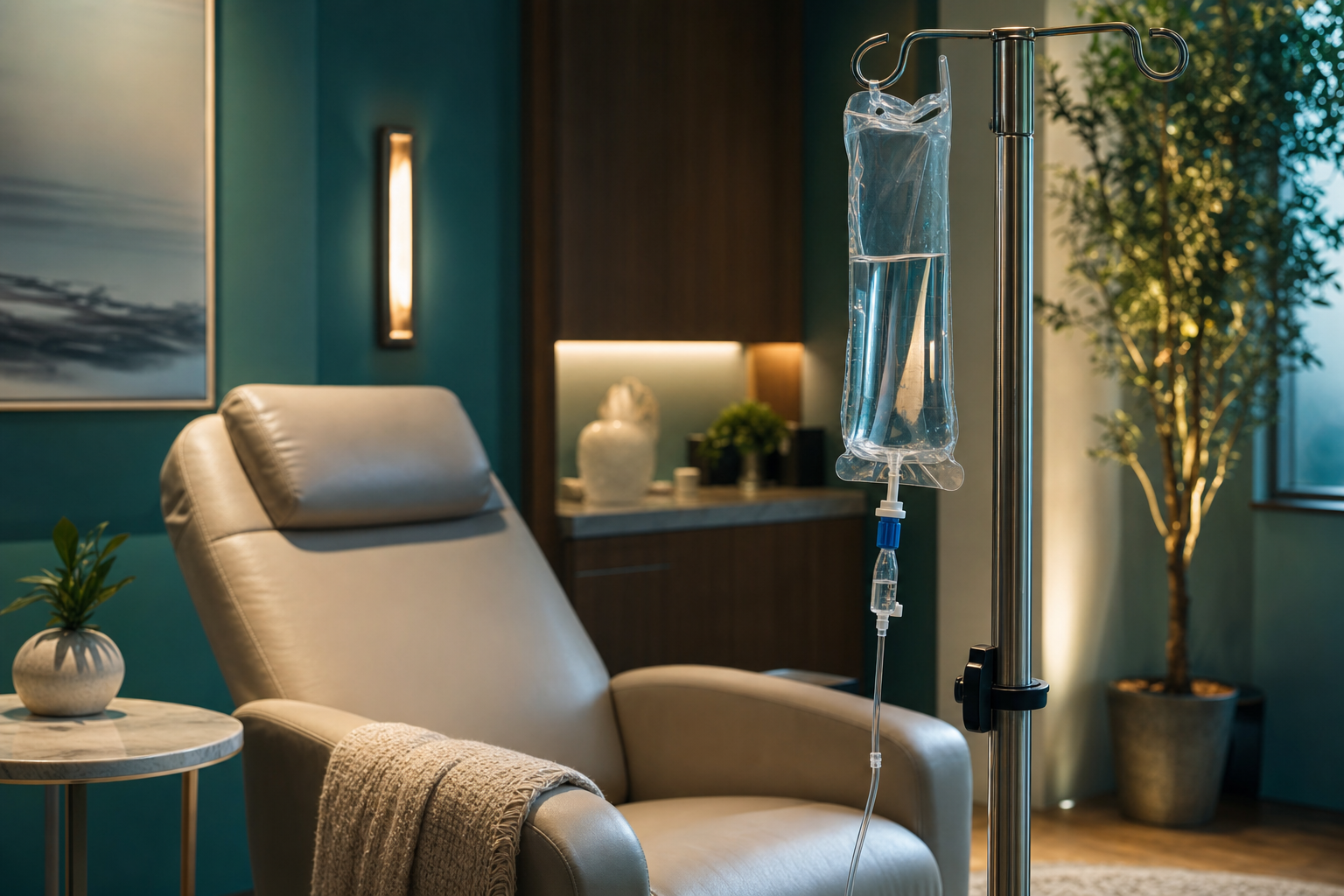
Ketamine Infusion
IV ketamine therapy for severe, treatment-resistant chronic pain — including CRPS, refractory neuropathic pain, and central sensitization syndromes. Administered in a monitored clinical setting.
Medication Management
Medication Management
Guideline-based, non-opioid-first medication management — including neuropathic agents, anti-inflammatory medications, and muscle relaxants — coordinated with your interventional care plan.

Rehabilitative & Coordinated Care
Procedures work best when paired with structured rehabilitation. Echo PMR coordinates every aspect of your recovery — from physical and occupational therapy to behavioral health and return-to-work planning.
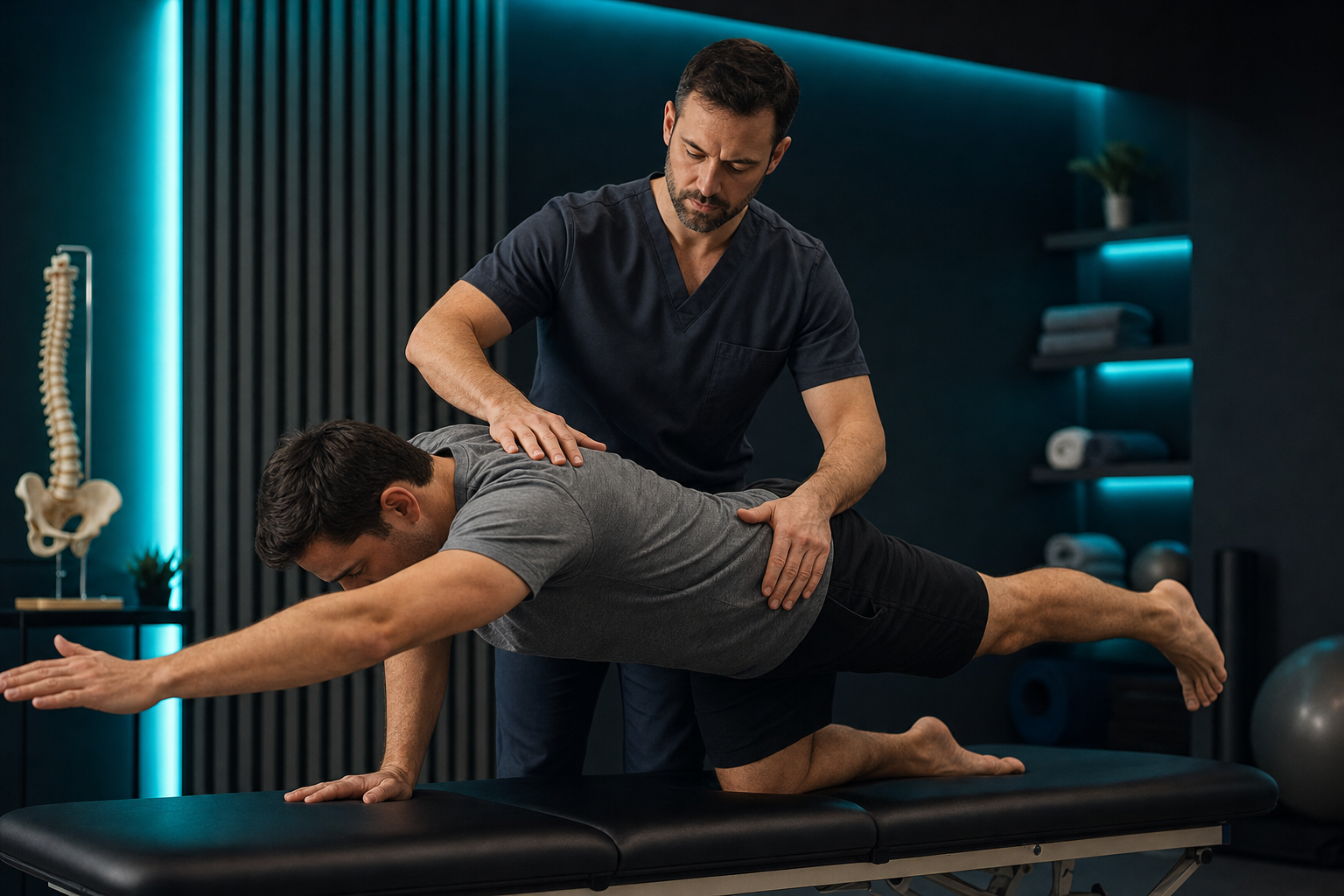
Physical Therapy
Coordinated physical therapy for spine, joint, and post-accident recovery — aligned with your interventional treatment plan to maximize results.
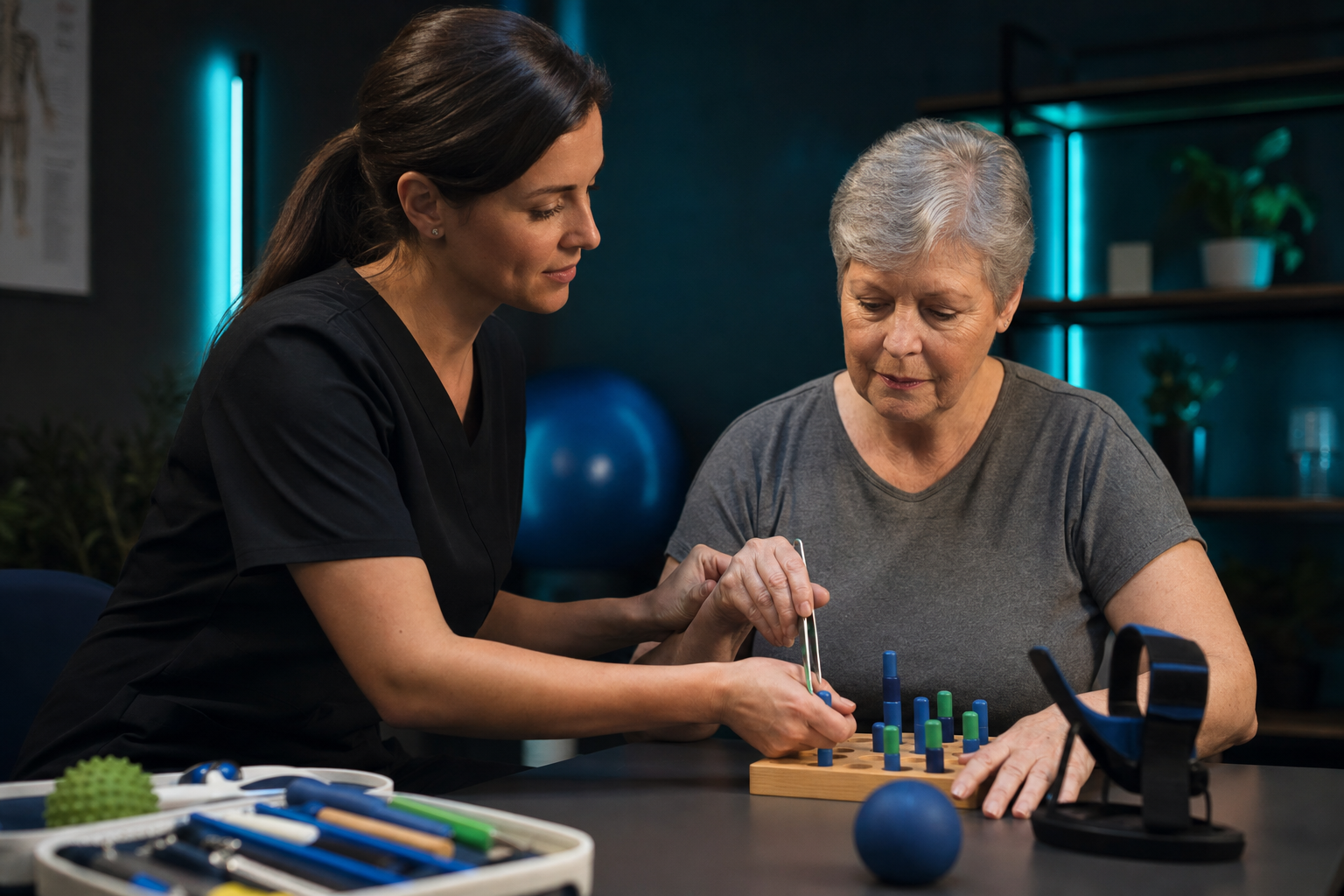
Occupational Therapy
Restoring the ability to perform work and daily activities after injury, trauma, or neurologic impairment.

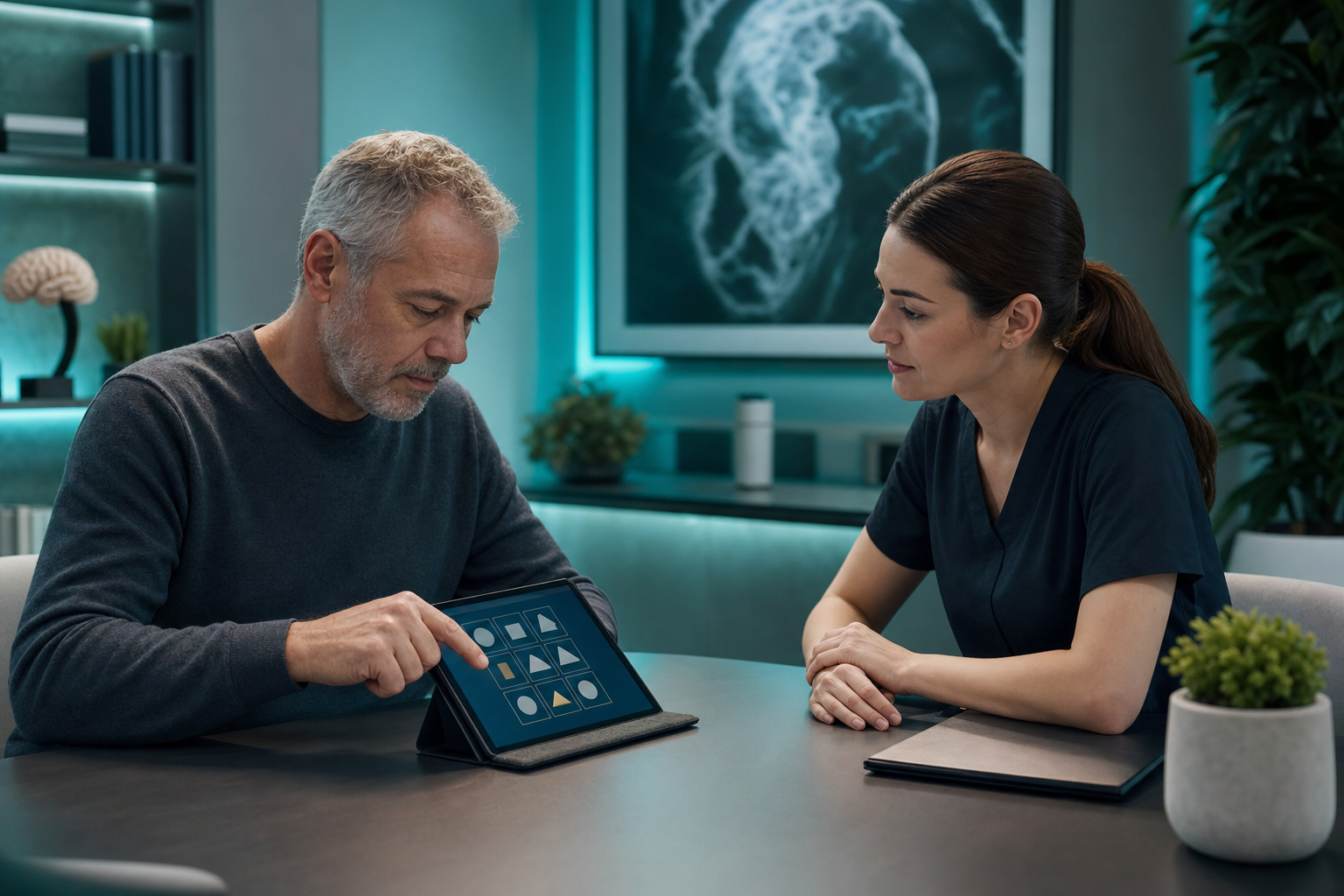
Cognitive Rehabilitation
Addressing memory, concentration, and thinking difficulties following traumatic brain injury or concussion.
Behavioral Health Support
Coordinated mental health referrals for depression, anxiety, and post-traumatic stress commonly associated with chronic pain and injury.
Not Sure Which Treatment Is Right for You?
The right treatment depends on an accurate diagnosis. Our physicians evaluate your history, imaging, and symptoms to build a plan tailored to you — without unnecessary procedures or delays.