
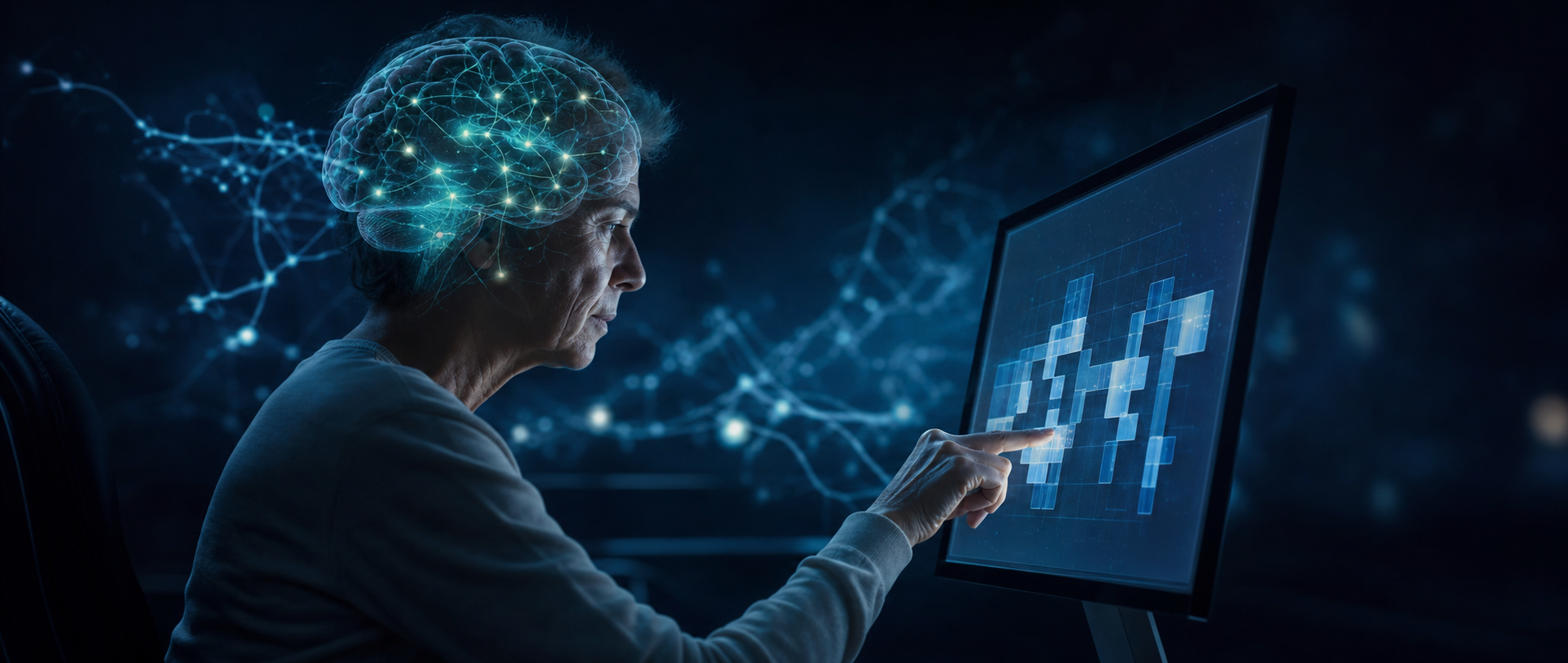
Cognitive Rehabilitation
What Is Cognitive Rehabilitation?
Cognitive rehabilitation is a structured therapeutic process aimed at improving cognitive functions — such as memory, attention, processing speed, problem-solving, and executive function — that have been impaired by brain injury, chronic pain, neurological conditions, or other medical events. At Echo PMR, cognitive rehabilitation is provided by trained clinicians as part of an integrated physical medicine and rehabilitation program, recognizing that cognitive health and physical recovery are deeply interconnected.
How It Works
Therapists use restorative and compensatory strategies tailored to each patient's specific deficits. Restorative approaches work to directly rebuild impaired cognitive processes through repetitive, structured tasks. Compensatory strategies teach patients to use tools, routines, and environmental modifications to navigate daily life despite remaining challenges. Progress is tracked using standardized assessments throughout the program.
What to Expect During the Procedure
•Baseline assessment: A comprehensive neuropsychological or functional cognitive evaluation to identify specific deficits and establish goals.
•Individualized sessions: Therapy exercises target your specific areas of difficulty — memory, attention, organization, or communication.
•Session length: Typically 45–60 minutes, 1–3 times per week depending on severity and goals.
•Technology integration: Cognitive training may incorporate computer-based programs alongside traditional pen-and-paper and functional tasks.
•Family involvement: Caregivers or family members are often included in sessions to support carry-over at home.
Conditions Treated
•Traumatic brain injury (TBI) — mild, moderate, or severe
•Post-concussion syndrome
•Stroke and acquired brain injury
•Cognitive effects of chronic pain ("pain brain fog")
•Long COVID-associated cognitive impairment
•Neurological conditions affecting cognition (MS, Parkinson's disease)
Who Is a Good Candidate?
Patients who report persistent difficulties with memory, concentration, word-finding, organization, or decision-making following a brain injury, medical event, or chronic pain condition are strong candidates. Early intervention after brain injury generally yields the best outcomes, though cognitive rehabilitation can benefit patients at any stage of recovery.
Recovery & Results
Cognitive rehabilitation is a gradual process. Many patients notice meaningful improvements in daily functioning within 8–12 weeks of consistent participation, though complex cases may require longer programs. Gains in attention and memory often generalize to improved work performance, safety, and quality of life. Your care team will set measurable milestones and adjust the program as you progress.
Frequently Asked Questions
How long does cognitive rehabilitation take?
Program duration depends on the nature and severity of your cognitive impairment. Most initial programs run 8–16 weeks, with re-evaluation and extension as needed.
Can cognitive rehabilitation help with "brain fog" from chronic pain?
Yes. Chronic pain is well-documented to affect attention, working memory, and mental clarity. Cognitive rehabilitation addresses these deficits directly alongside the broader pain management plan.
Will I fully recover my cognitive abilities?
Recovery varies significantly by condition, age, and severity of injury. Many patients achieve substantial functional improvement, though the goal for some is maximizing independence and quality of life rather than complete restoration.