

Treatments for pain relief, function, and recovery
At Echo PMR, we offer advanced, personalized treatments designed to relieve pain, restore mobility, and support long-term recovery through Physical Medicine & Rehabilitation.
Every treatment plan is tailored to your symptoms, diagnosis, functional needs, and recovery goals—because effective pain care should be precise, not one-size-fits-all.
From targeted injections to minimally invasive procedures and advanced therapies, our team uses evidence-based treatment options to help patients move better, feel stronger, and get back to daily life.
Most procedures are performed on an outpatient basis, and many patients return to regular activity within a day or two, depending on the treatment.

Headache and Nerve Pain
-
Preventive treatment for patients with frequent, chronic migraines.
Botulinum toxin is injected into specific head and neck muscles to help prevent chronic migraines.
Helps reduce how often migraines occur and how intense they feel, so patients can have more manageable days.
Downtime: Minimal; most patients return to normal activities the same day, with improvement often noticed over 1–3 weeks.
Best for: Chronic migraines and frequent headache days. text goes here
-
Targeted relief for certain headache and nerve pain conditions.
Medication is injected around the occipital nerves at the back of the head.
Helps reduce pain from occipital neuralgia and some headache-related conditions.
Downtime: Minimal; most patients resume normal activity within a day.
Best for: Occipital neuralgia, cervicogenic headaches, and select migraine-related pain. here
-
A specialized nerve block for select upper-body pain conditions.
Medication is injected near the stellate ganglion, a bundle of nerves in the neck.
Can help relieve certain pain syndromes affecting the head, neck, and upper extremities.
Downtime: Typically home the same day, with light activity resumed within 24 hours.
Best for: Certain nerve-related pain conditions involving the head, neck, arm, or upper chest.

Spine and Back Procedures
-
A common spinal injection used to calm inflamed nerves.
Steroid medication is placed into the epidural space around spinal nerves.
Helps reduce inflammation and relieve radiating pain in the neck, back, arms, or legs.
Downtime: Often back to routine activities the next day, with pain relief beginning over several days.
Best for: Herniated discs, spinal stenosis, sciatica, and radiating nerve pain.
-
A targeted treatment for pain coming from the small joints of the spine.
Medication is injected into the facet joints under imaging guidance.
Helps decrease facet-related neck or back pain and confirms whether the joints are the source.
Downtime: Most patients return to regular activity within 24 hours.
Best for: Facet joint arthritis, chronic neck pain, and chronic low back pain.
-
A diagnostic and therapeutic procedure for facet-related pain.
Medication is injected around the medial branch nerves that supply the facet joints.
Temporarily relieves pain and helps determine whether radiofrequency ablation may be effective.
Downtime: Light activity is often possible the same day, with normal activity within 24 hours.
Best for: Suspected facet joint pain in the neck or back.
-
Longer-lasting relief for certain chronic spine-related pain conditions.
Radiofrequency energy is used to disrupt targeted pain-carrying nerves.
Can provide months of relief for carefully selected patients after successful diagnostic blocks.
Downtime: Mild soreness is common for a few days; most patients resume normal activity shortly after.
Best for: Chronic neck pain, back pain, and facet-mediated pain.
-
A diagnostic procedure used to identify painful spinal discs.
Contrast dye is injected into spinal discs under imaging guidance.
Helps pinpoint the disc generating pain so future treatment can be more accurately targeted.
Downtime: Temporary soreness may last a few days; most patients resume light activity within 24–48 hours.
Best for: Persistent back pain when disc-related pain is suspected.
-
A minimally invasive option for select disc-related pain conditions.
A small amount of disc material is removed through a needle-based technique to reduce pressure.
Helps relieve pain from bulging or herniated discs without open surgery.
Downtime: Light activity often resumes within a few days, with continued improvement over several weeks.
Best for: Select patients with bulging discs, disc herniation, or nerve compression symptoms.
-
A treatment for certain forms of chronic nerve-related leg pain.
Medication is injected near sympathetic nerves in the lower back.
Helps reduce abnormal nerve pain, including pain associated with CRPS.
Downtime: Usually a same-day procedure, with normal activity often resumed within 24 hours.
Best for: CRPS and select nerve-related leg pain conditions.
-
A targeted treatment for SI joint-related low back and buttock pain.
Medication is injected into the sacroiliac joint where the spine meets the pelvis.
Helps reduce pain and confirm whether the SI joint is the source.
Downtime: Most patients return to usual activity within 24 hours, with relief developing over several days.
Best for: SI joint dysfunction, low back pain, and buttock pain.
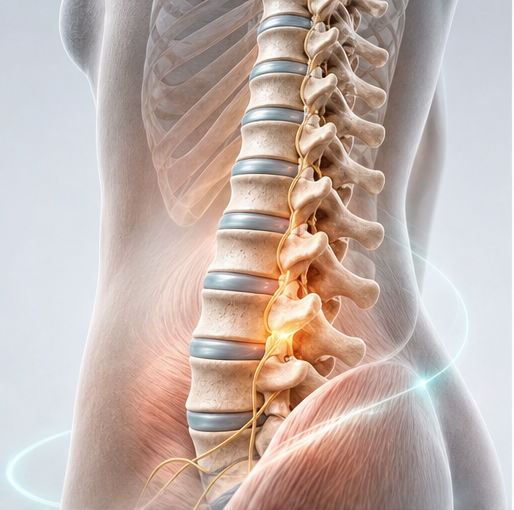
Joint and Musculoskeletal Treatments
-
Relief for inflammation and pain around major joints.
Anti-inflammatory medication is injected into an irritated bursa, commonly in the shoulder, hip, or knee.
Helps ease pain and stiffness so movement feels more comfortable.
Downtime: Usually light activity the same day, with normal activity within 24–48 hours.
Best for: Bursitis of the shoulder, hip, or knee.
-
Targeted treatment for painful, inflamed joints.
Medication is delivered directly into a painful joint such as the shoulder, hip, or knee.
Helps reduce inflammation, relieve pain, and improve movement.
Downtime: Most patients return to routine activities within 24–48 hours.
Best for: Joint inflammation, arthritis, and pain limiting mobility.
-
Relief for painful muscle knots and myofascial pain.
Medication is injected into tight, painful trigger points within the muscle.
Helps relax the muscle, reduce localized pain, and improve range of motion.
Downtime: Mild soreness may occur for a day, but most patients return to normal activity quickly.
Best for: Muscle tension, myofascial pain, and painful trigger points.
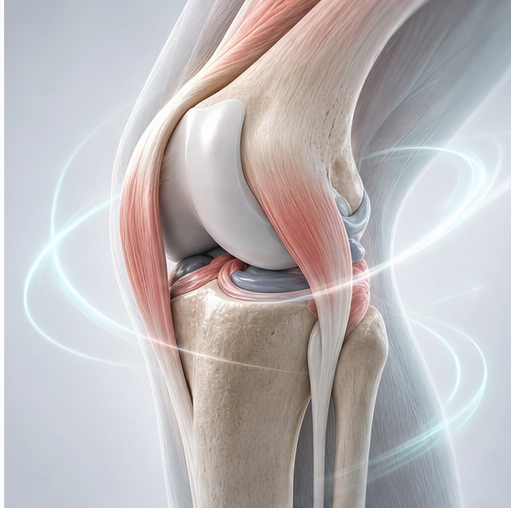
Advanced Minimally Invasive Procedures
-
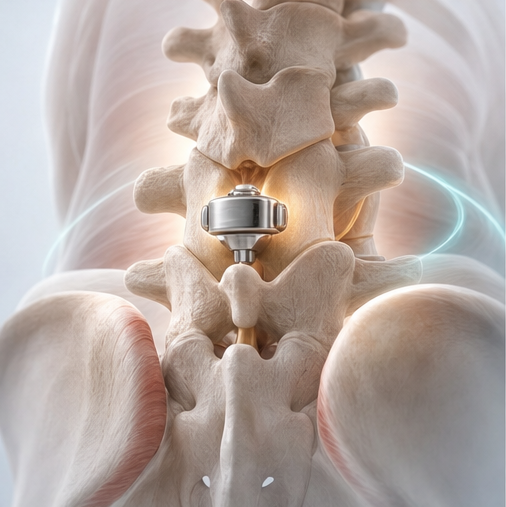
A minimally invasive treatment for select patients with lumbar spinal stenosis.
A small implant is placed between the spinous processes to gently open space in the lumbar spine.
Helps relieve leg and back pain, especially during standing and walking.
Downtime: Typically outpatient, with walking tolerance improving over days to weeks.
Best for: Lumbar spinal stenosis with pain that worsens when standing or walking.
-
A minimally invasive treatment for certain vertebral compression fractures.
Description: Bone cement is injected into a fractured vertebra to stabilize it.
Benefit: Helps reduce back pain and improve mobility after compression fractures.
Downtime: Many patients feel relief within 1–2 days and gradually increase activity over 1–2 weeks.
Best for: Painful vertebral compression fractures.
-
A minimally invasive stabilization procedure for chronic SI joint pain.
Implants are used to stabilize the sacroiliac joint when conservative treatment is no longer enough.
Offers longer-term relief and improved stability for select patients with persistent SI joint dysfunction.
Downtime: Activity increases gradually over several weeks, with full healing continuing over months.
Best for: Chronic SI joint pain that has not improved with injections or conservative care.
Implant-based Therapies
-
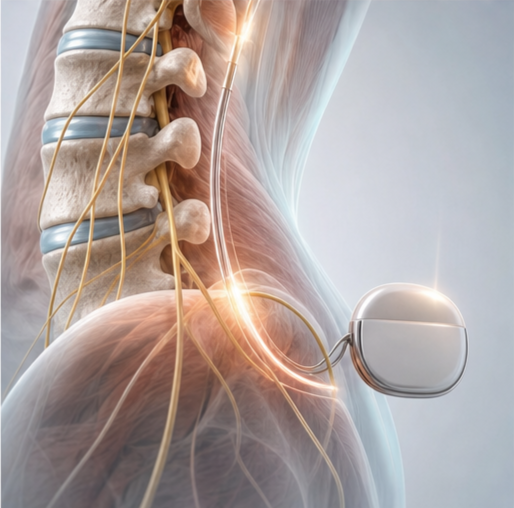
An advanced therapy for chronic pain that has not responded to conservative care.
A small implanted device sends gentle electrical signals to the spinal cord to alter pain signaling.
Helps reduce chronic back, leg, or nerve pain and may improve daily function.
Downtime: Recovery depends on the trial and permanent implant stage, with activity gradually increased over several weeks.
Best for: Chronic nerve pain, failed back surgery syndrome, and persistent back or leg pain.
-
Item description
Medication and Supportive Care
-
A structured part of comprehensive pain care.
Ongoing medical oversight of pain-related medications based on symptoms, function, and safety.
Helps optimize relief while minimizing side effects and treatment risks.
Medication plans are adjusted over time as part of ongoing care.
Best for: Patients who need monitored, individualized medication support as part of a broader treatment plan.
-
Targeted injections used for both diagnosis and pain relief.
Local anesthetic, sometimes with steroid, is injected around specific nerves.
Helps relieve pain in a targeted area and identify the nerve involved.
Downtime: Usually back to normal activity within 24 hours.
Best for: Localized nerve pain and diagnostic evaluation of pain sources.
-
An advanced treatment option for select chronic pain conditions.
Low-dose ketamine is administered intravenously in a monitored setting.
May help reduce certain chronic or nerve-related pain conditions in carefully selected patients.
Downtime: Same-day observation is typical; most patients resume light activity by the next day.
Best for: Select chronic pain conditions, especially when conventional options have not provided enough relief.

Ready to Live Pain Free?
If you’re looking for an ethical, compassionate, and individualized approach to pain management, Echo PMR is here to help. Our goal is to provide personalized care that focuses on improving function, restoring quality of life, and helping you return to the activities you enjoy. Contact our office at (361) 360-3264 to schedule an appointment or submit an online request. We look forward to supporting you on your path toward a more active, comfortable, and fulfilling life.