
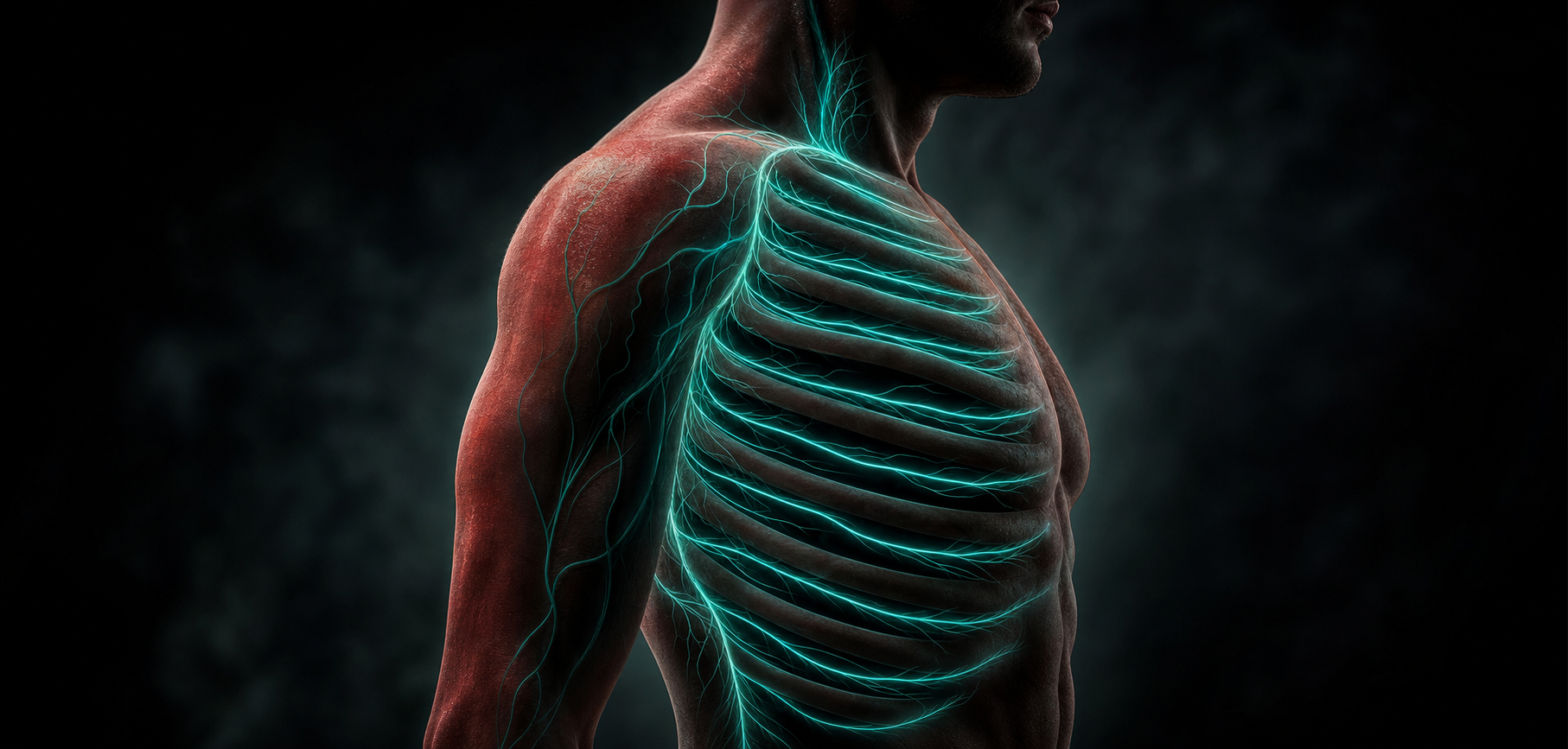
Post-Herpetic Neuralgia (Shingles Pain)
Overview
Post-herpetic neuralgia (PHN) is the most common complication of shingles (herpes zoster), occurring when nerve damage from the varicella-zoster virus causes pain that persists long after the skin rash has healed — typically defined as pain lasting more than 90 days after rash onset. The pain can be severe, debilitating, and significantly impact quality of life. PHN is most common in adults over 60 and in individuals with weakened immune systems.
Common Symptoms
•Severe, persistent burning, stabbing, or aching pain in the area of the prior rash
•Allodynia — extreme pain from stimuli that should not be painful, such as clothing touching the skin
•Intermittent sharp, shooting, or electric shock-like sensations
•Itching (pruritus) in the affected dermatomal region
•Numbness or altered sensation in the rash-affected skin area
•Sleep disruption, fatigue, and mood changes related to chronic pain burden
Common Causes
•Prior shingles (herpes zoster) infection — particularly in older or immunocompromised individuals
•Delayed or inadequate antiviral treatment during the acute shingles episode
•Severity of the original shingles rash (more severe rash correlates with higher PHN risk)
•Age over 60 (the single greatest risk factor for developing PHN)
•Immunosuppression from disease, chemotherapy, or long-term corticosteroid use
•Prodromal pain before rash onset (a marker of more extensive nerve involvement)
Who May Benefit from Treatment
Any patient with ongoing pain in a dermatomal distribution following a documented shingles episode — especially when that pain has persisted for three months or more — is a candidate for PHN-directed pain management. Older adults, immunocompromised patients, and those with severe allodynia who cannot tolerate clothing or light touch benefit most from specialized, multidisciplinary care.
Treatment Options at Echo PMR
•Intercostal or targeted nerve blocks to interrupt nociceptive signaling along affected dermatomes
•Spinal cord stimulation (SCS) for refractory PHN not responding to medications
•Ketamine infusion therapy addressing central sensitization that perpetuates chronic PHN pain
•Medication management with first-line neuropathic agents: gabapentin, pregabalin, tricyclic antidepressants, and lidocaine patches
•Epidural steroid injections when spinal nerve root involvement is confirmed
•Trigger point injections to address secondary muscle splinting and myofascial guarding
Recovery Expectations
PHN can be challenging to treat, but most patients achieve significant pain reduction with a combination of neuropathic medications and interventional procedures. Response to treatment is often gradual — improvement typically develops over four to twelve weeks of optimized therapy. Spinal cord stimulation has shown compelling evidence for durable relief in patients with medically refractory PHN, restoring meaningful quality of life.
When to Seek Care
If you had shingles and still experience burning, shooting, or skin-sensitive pain more than three months after the rash resolved, do not accept this as inevitable — contact Echo PMR. Early pain management intervention for PHN reduces the risk of the condition becoming permanent and helps preserve your independence and daily function.